
Camouflage Frogs
“Can you make your frog disappear?
Where could you hide it so that it is difficult to spot?”

Children create a camouflage frog by sticking natural fallen leaves onto a frog picture. Once their frog is decorated, they take it outdoors and choose a suitable place to hide it within the outdoor area. Children then explore the space and try to find the hidden frogs.

Children will have the opportunity too…
Develop an understanding of camouflage and how animals can blend into their habitats.
Fine-motor skills through picking up leaves and using adhesive. Observation and visual discrimination by looking carefully for hidden frogs.
Communication and language through describing where frogs are hidden and explaining their choices.
Problem-solving, spatial awareness and positional language.
Creativity and decision-making through designing and placing their own camouflage frog.



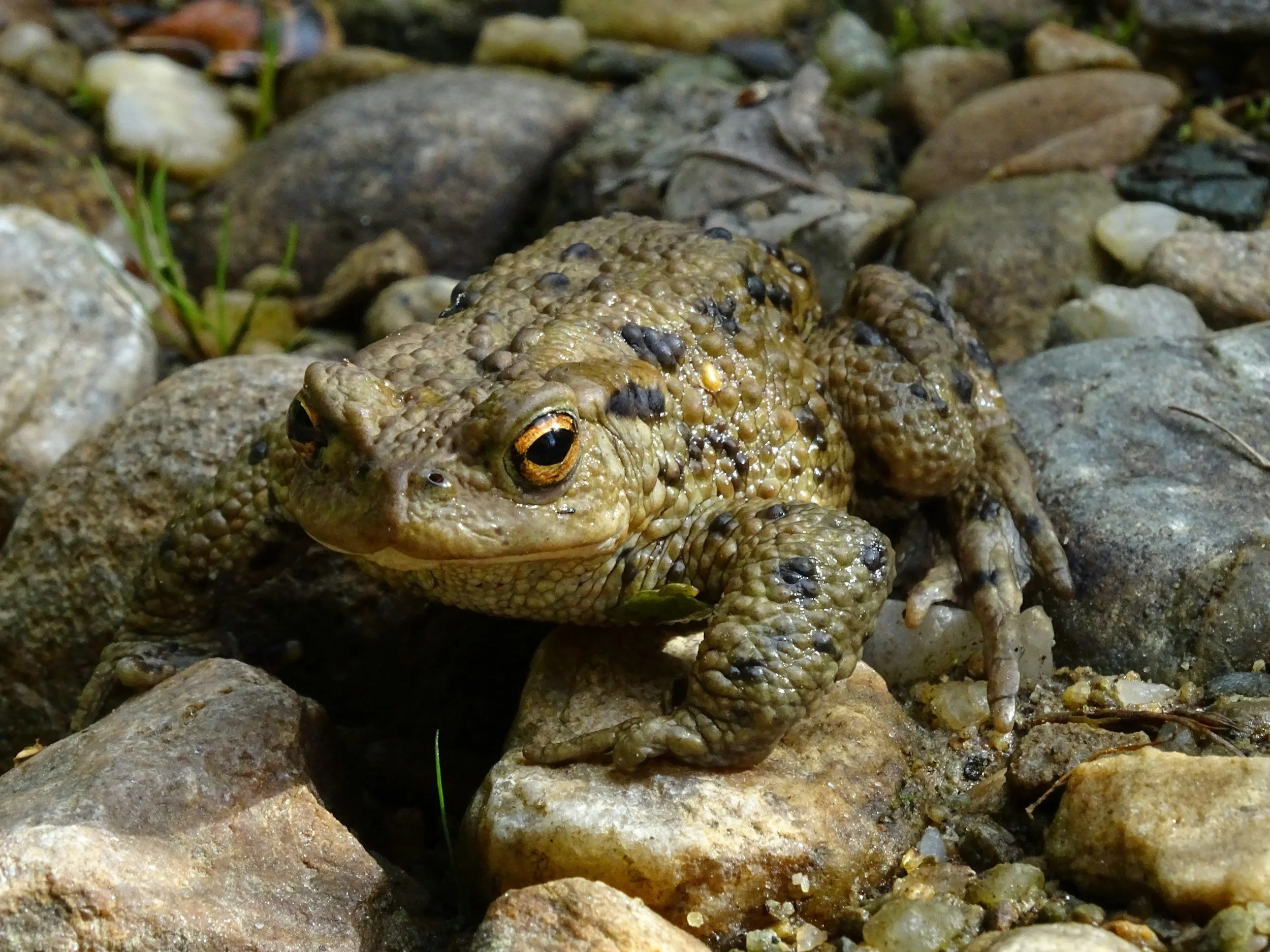
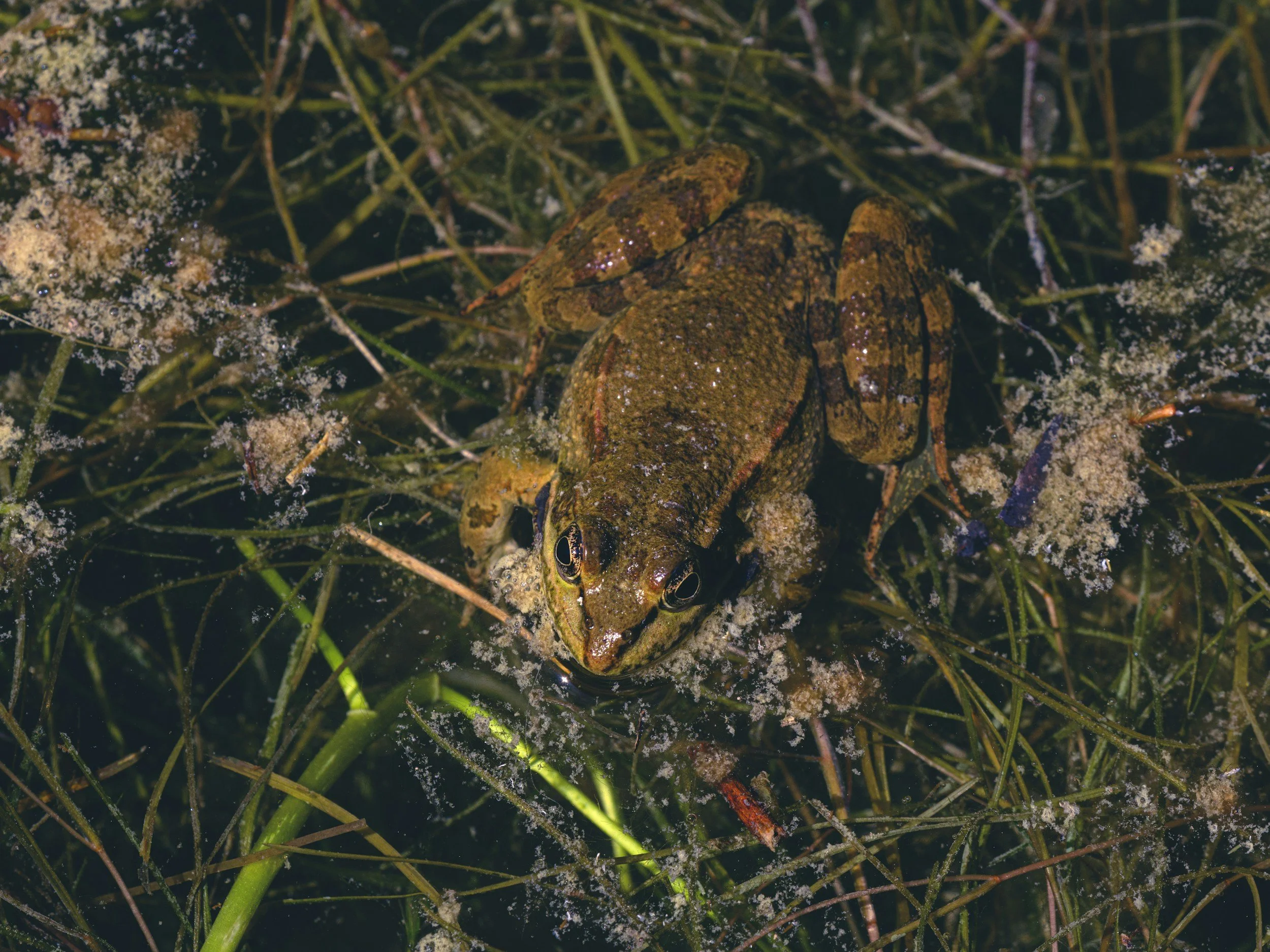
Begin by talking about camouflage and looking at pictures of frogs in their habitats. Ask children what colours they notice and where a frog might be difficult to see.
Notice and Explore
Begin by talking about camouflage and looking at pictures of frogs in their habitats. Ask children what colours they notice and where a frog might be difficult to see.
Discuss
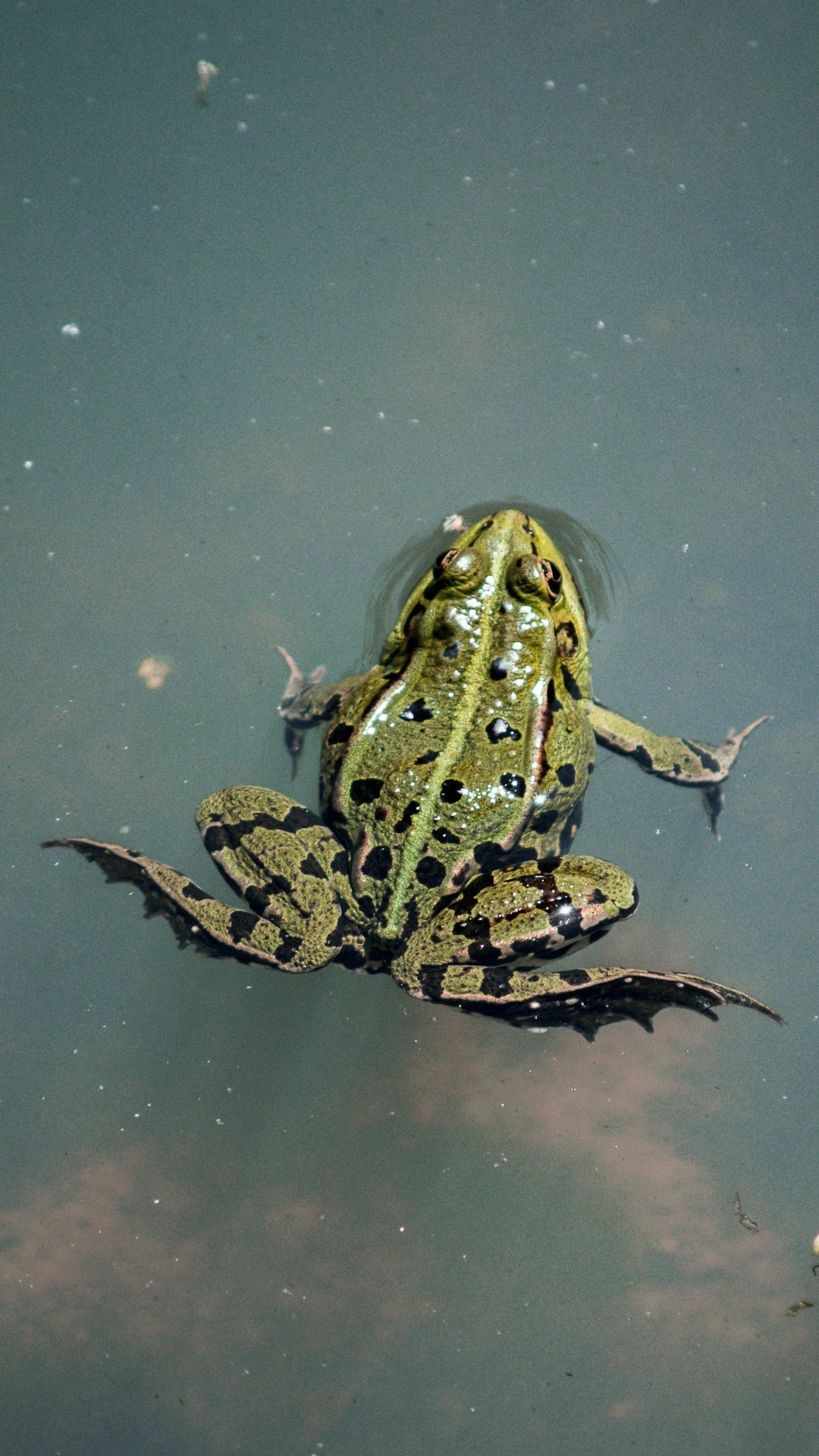
Talk about the colours and textures and patterns they have chosen.
Collect Leaves
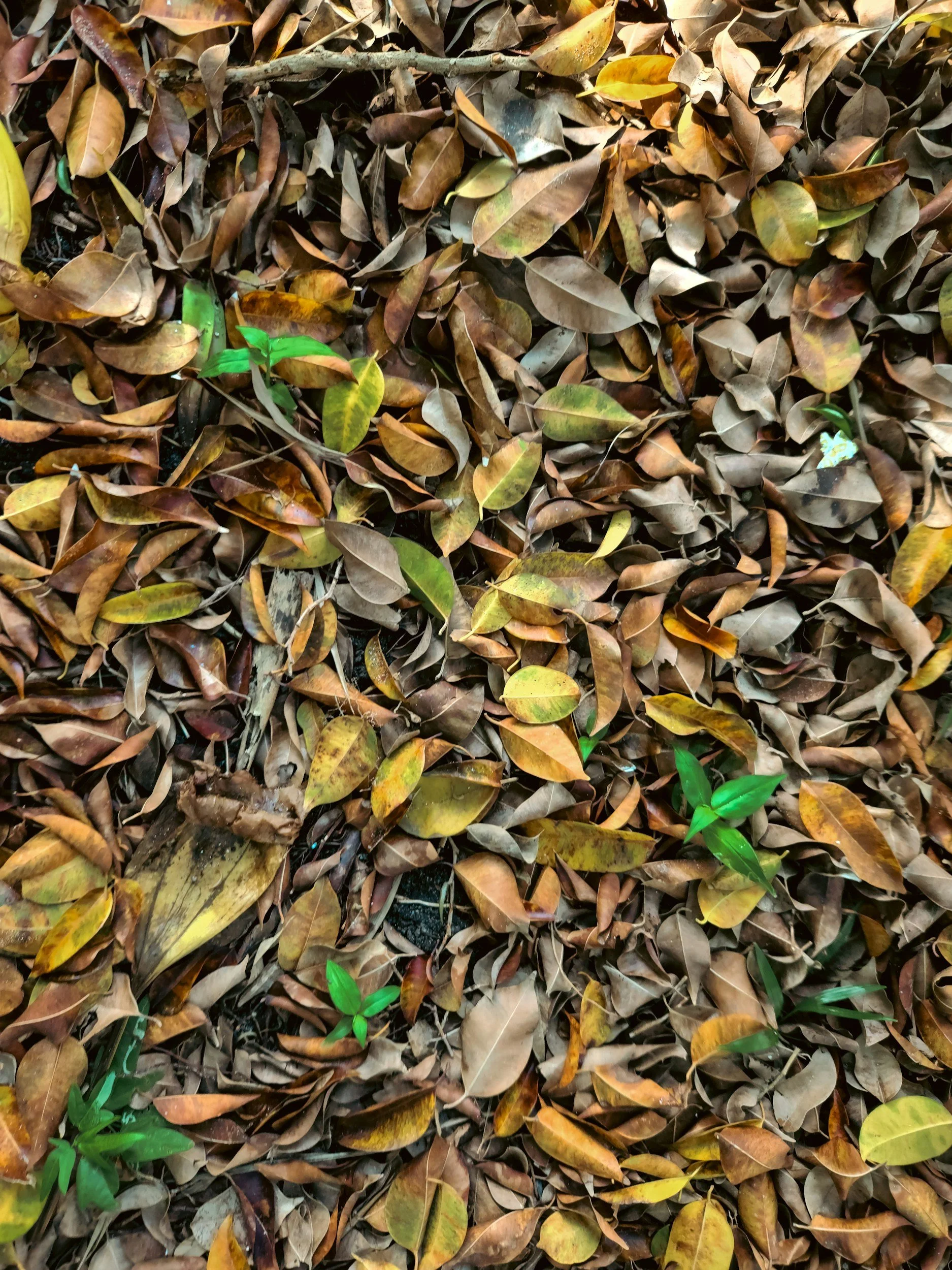
Go outside and collect a small selection of fallen leaves, remembering to only take what you need.
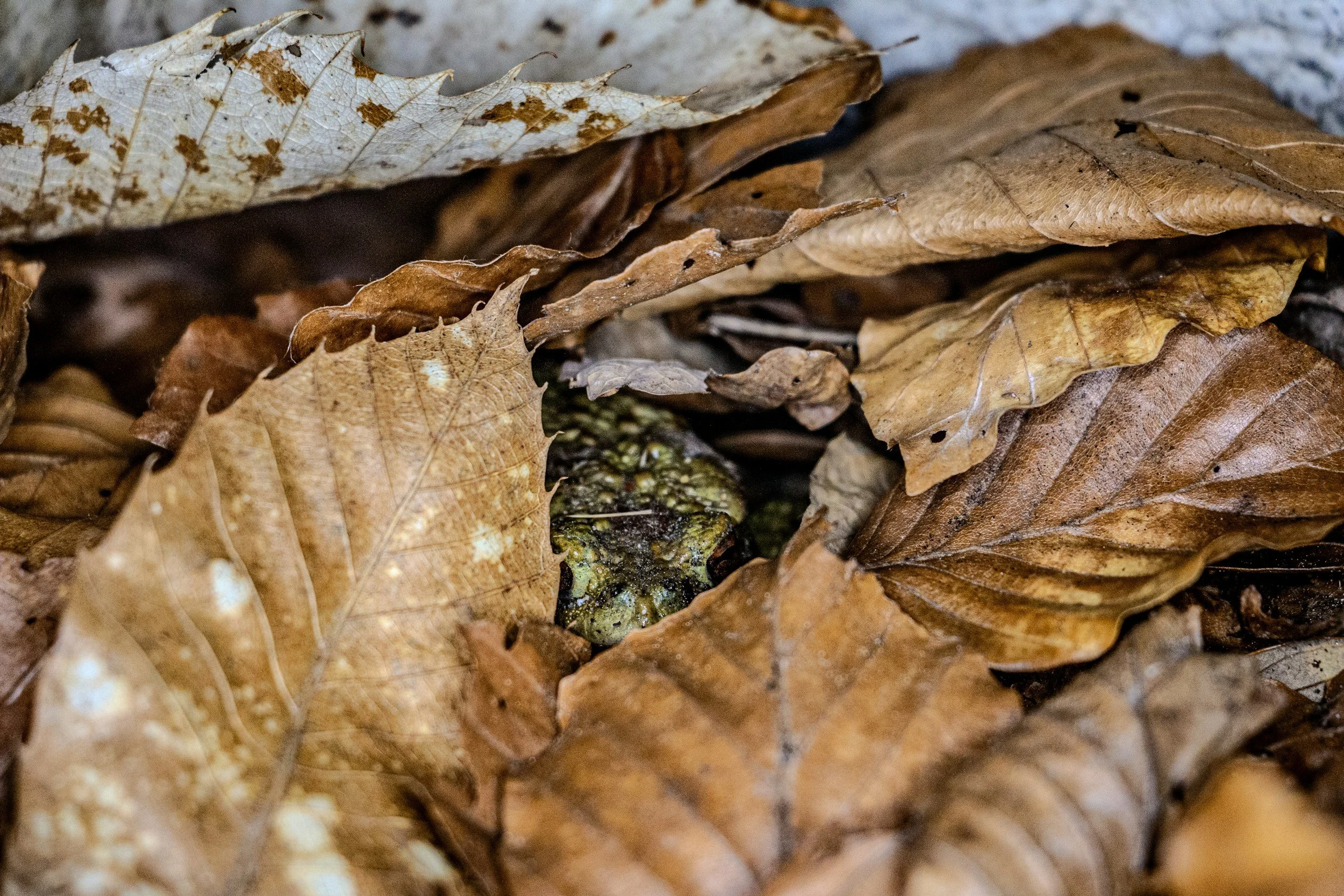
Hide the Frog
Take the finished frogs outside. Each child chooses a safe place in the outdoor area to hide their frog, thinking carefully about how well it will blend in.
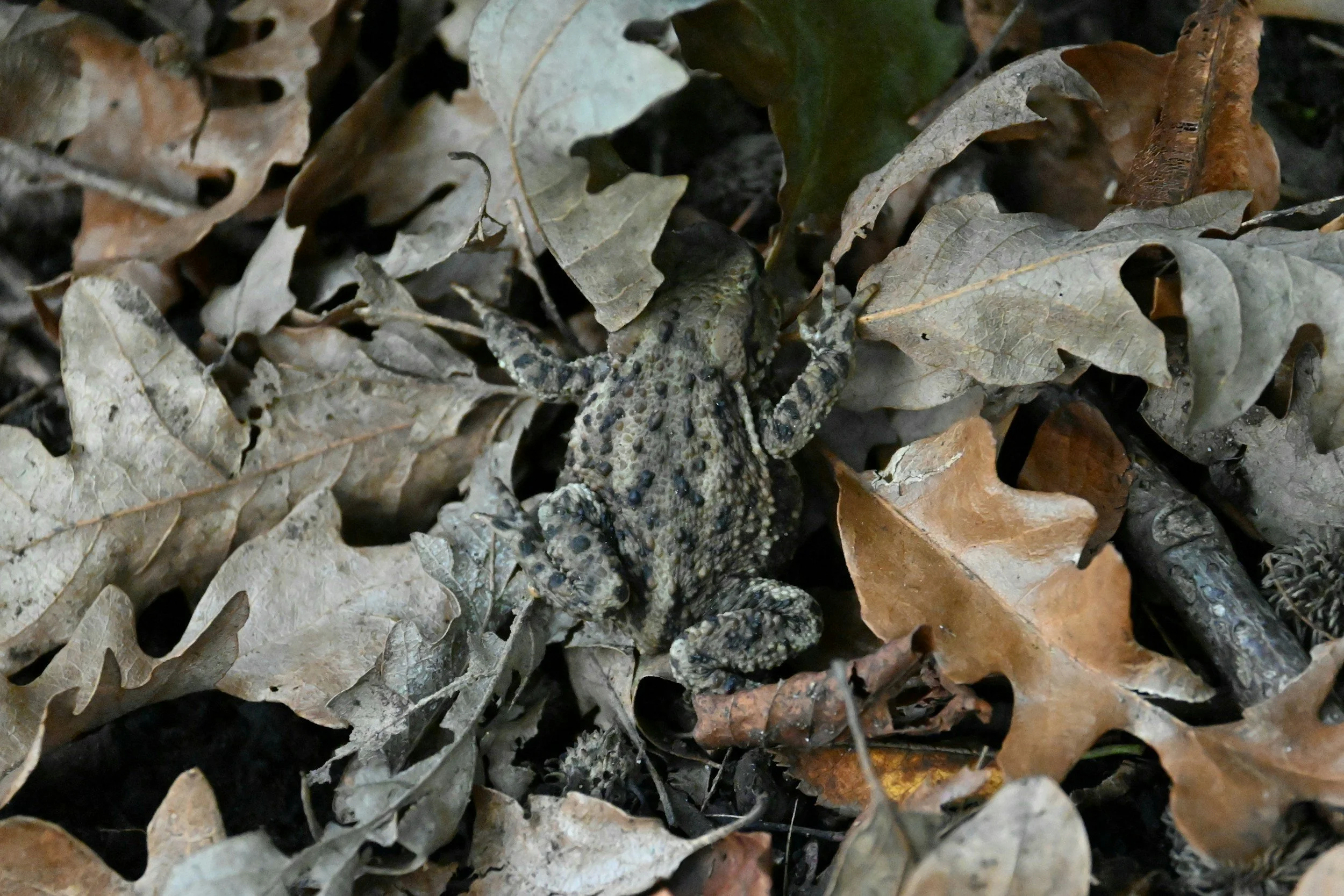
Get creative
Give each child a frog picture. Then children can choose leaves and stick them onto the frog to create their own camouflage pattern
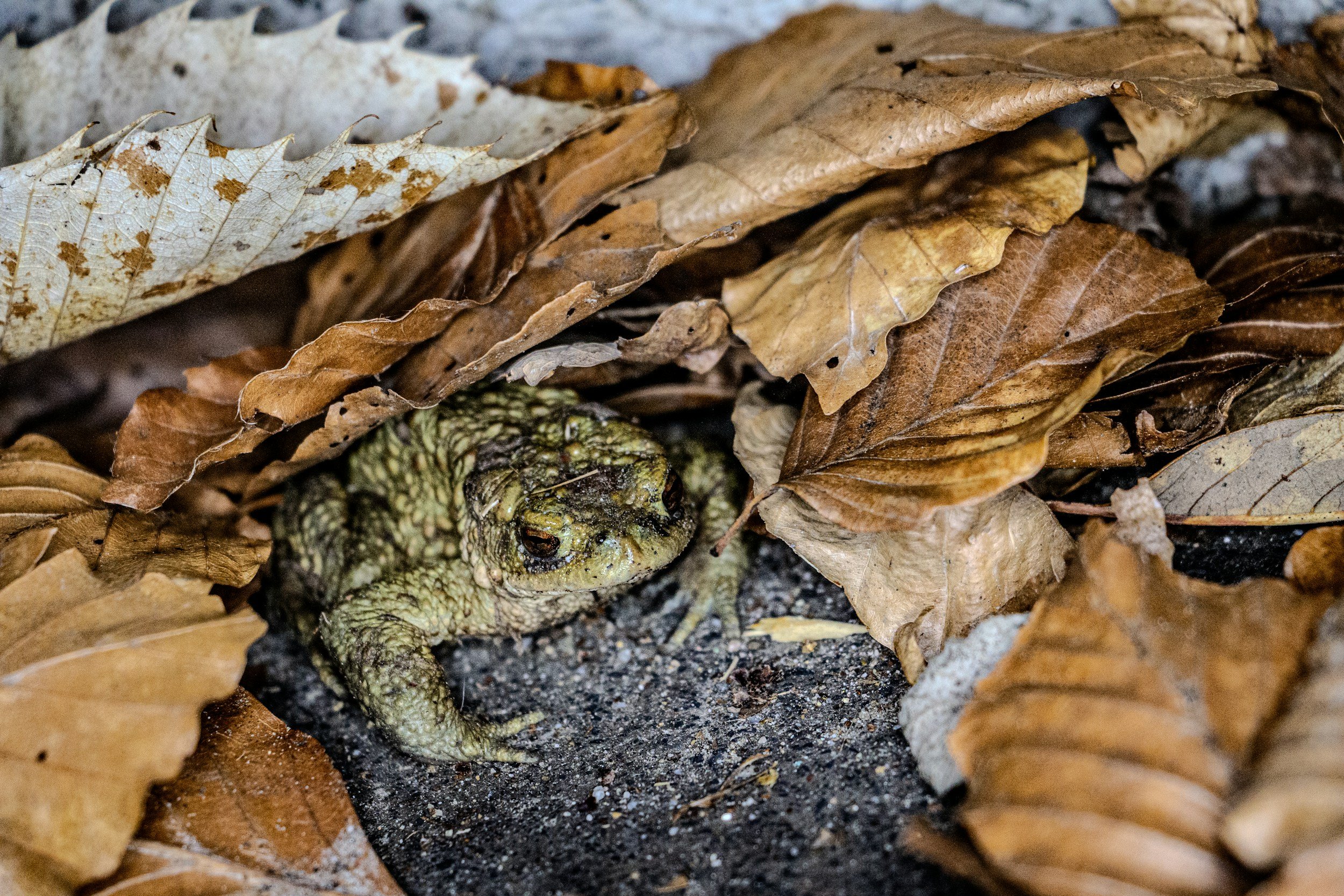
Hunt the Frog
Give children time to search for the hidden frogs. When a frog is found, encourage the finder to describe where it was and why it was difficult or easy to spot.


Practitioner Guidance
For children needing support: provide larger leaves, pre-cut frog pictures and small pieces of double-sided tape already prepared. Work with a smaller search area or hide frogs in more obvious places. For children developing independence: allow them to choose their own leaves and hiding place. For children ready for a challenge: encourage them to hide the frog so that only part of it is visible, use positional language such as under, beside, behind and next to, or explain why their chosen hiding place provides good camouflage. Children who do not want to make a leaf frog can use a toy frog for the hiding and searching game.

Use only fallen leaves and supervise children outdoors. Double-sided tape can be fiddly, so adult help is absolutely allowed.

Set clear boundaries for the hiding and searching area before beginning. Remind children that frogs should be hidden where they can still be safely retrieved—no drains, inaccessible bushes or high places!

Try a camouflage hunt using other woodland or pond animals. Compare which colours and patterns are easiest to hide. Children could photograph their hidden frogs, draw their hiding places, or make a class map showing where the frogs were found. Explore real frog habitats and discuss why camouflage is useful for animals.