
Pumpkin Investigation Station
Autumn skies and Pumpkin Pies’
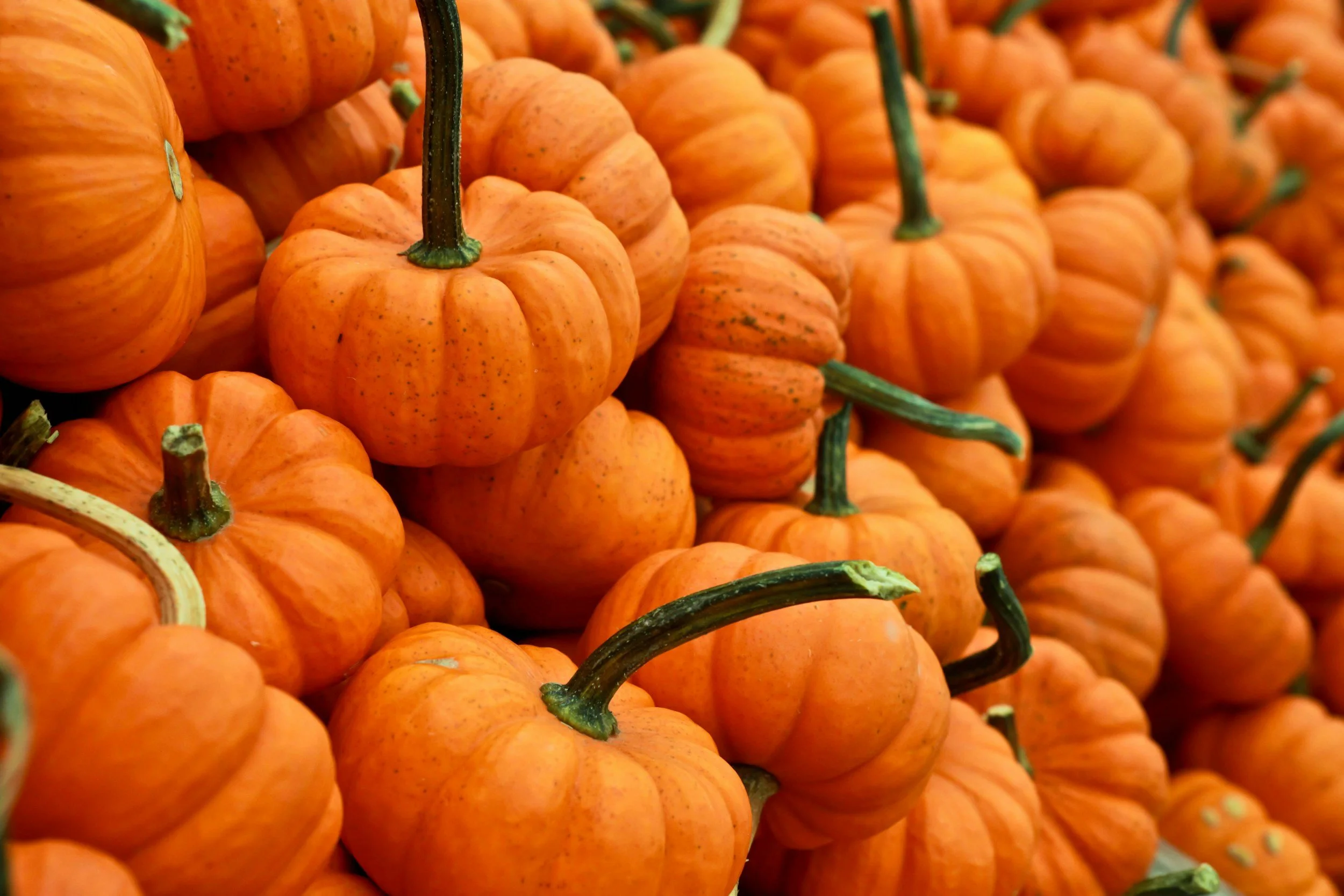

As Autumn arrives and the woodlands turn to gold, orange and brown, the season of Pumpkin patches, lanterns and warm soup is upon us! There’s something nurturing, magical and exciting about pumpkins that makes children naturally curious. With a bright orange, hard smooth spherical outer skin and a sticky, slimy, scented inner with seeds, Pumpkins are an excellent resource for Investigation, exploration and creation. A pumpkin investigation station, is a sensory rich addition to your continuous provision at this time of year.
Children will have the opportunity too…
· Explore using their senses,
· Practice measuring skills, scooping, inquiry
· Develop vocabulary, fine motor skills, mathematical language, prediction.
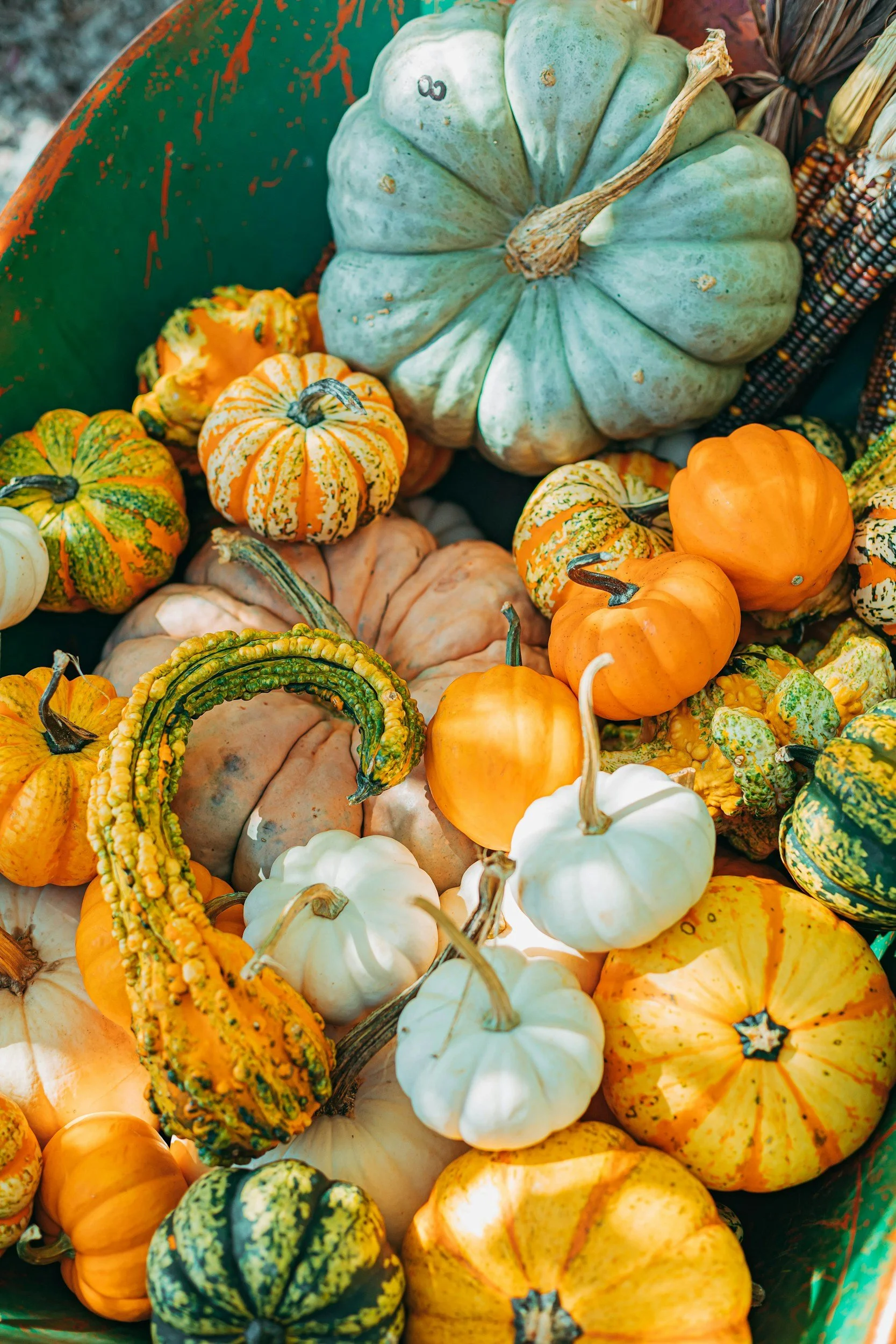
Start by placing a whole pumpkin on the investigation table without initially cutting it open.
Explore the Pumpkin as a whole
Give the children the opportunity to touch, hold and talk about the pumpkins. Encourage children to be curious by drawing their attention to the shape, size, texture, weight and colour of the pumpkin. Don’t feel the need to bombard the children with all your pumpkin facts at this stage. Let them take a moment to pause and ask questions or make observational comments, or simple let them use their senses to explore without sharing.
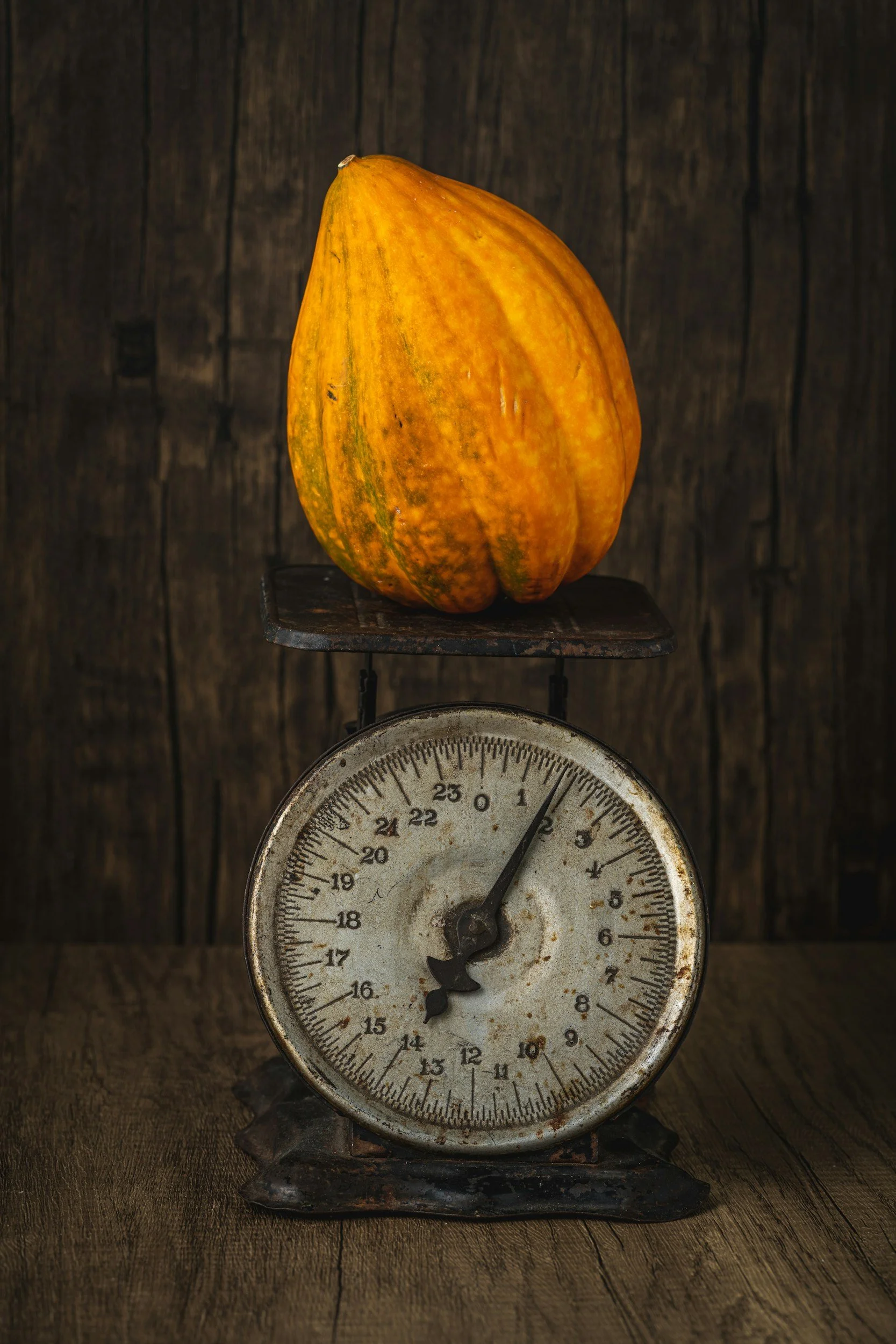
Compare, Measure and Estimate
Using the other pumpkins, encourage the children to investigate further by asking ‘I wonder which one is bigger?’ ‘Which one feels the heaviest?’ ‘How could we find out?’ Then providing tape measures, scales and mark making equipment for the children to explore and record their findings. If children are motivated my mathematics, pumpkins could then also be cut into ½ ¼ etc and pieces shared out for individual exploration.
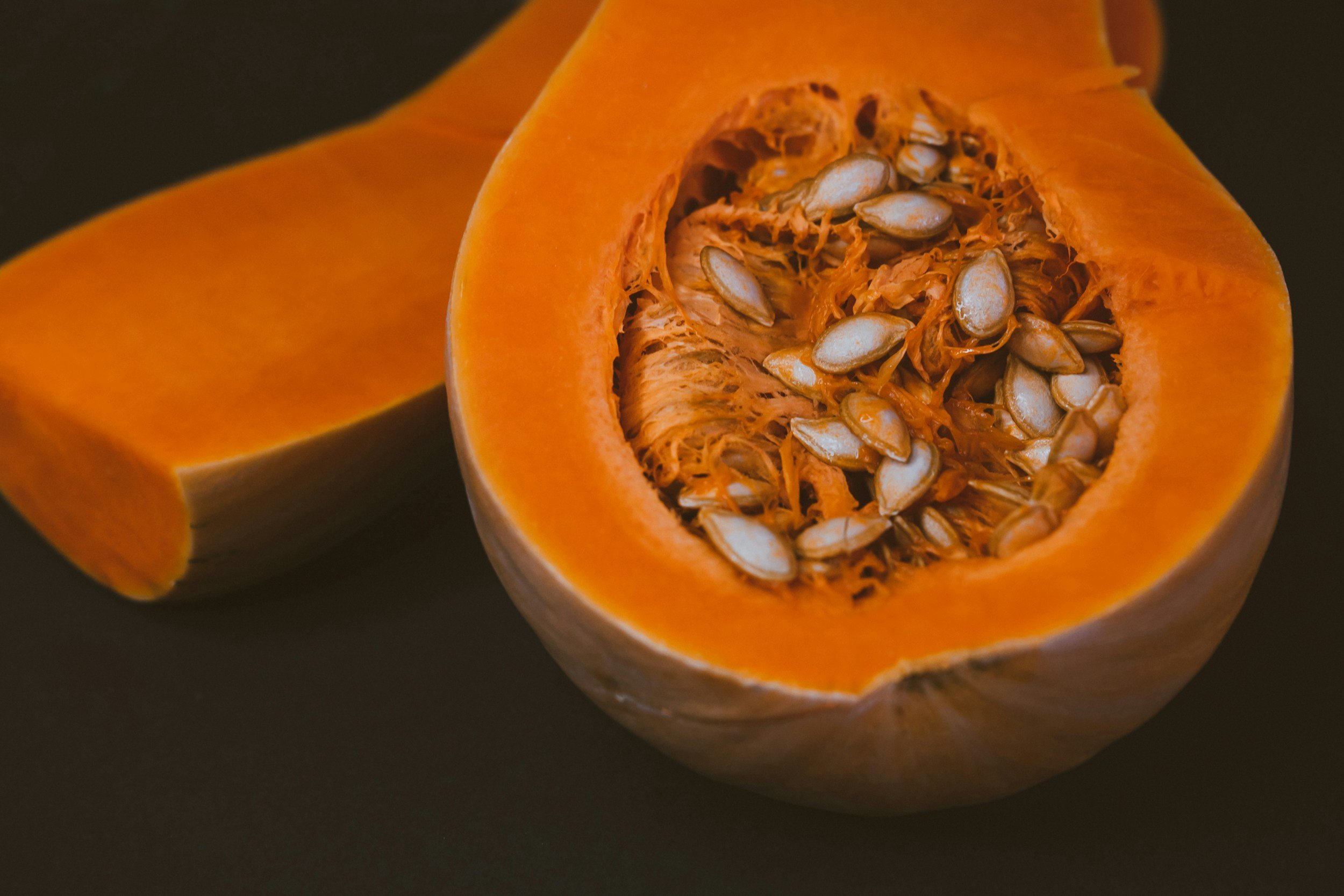
What’s Inside?
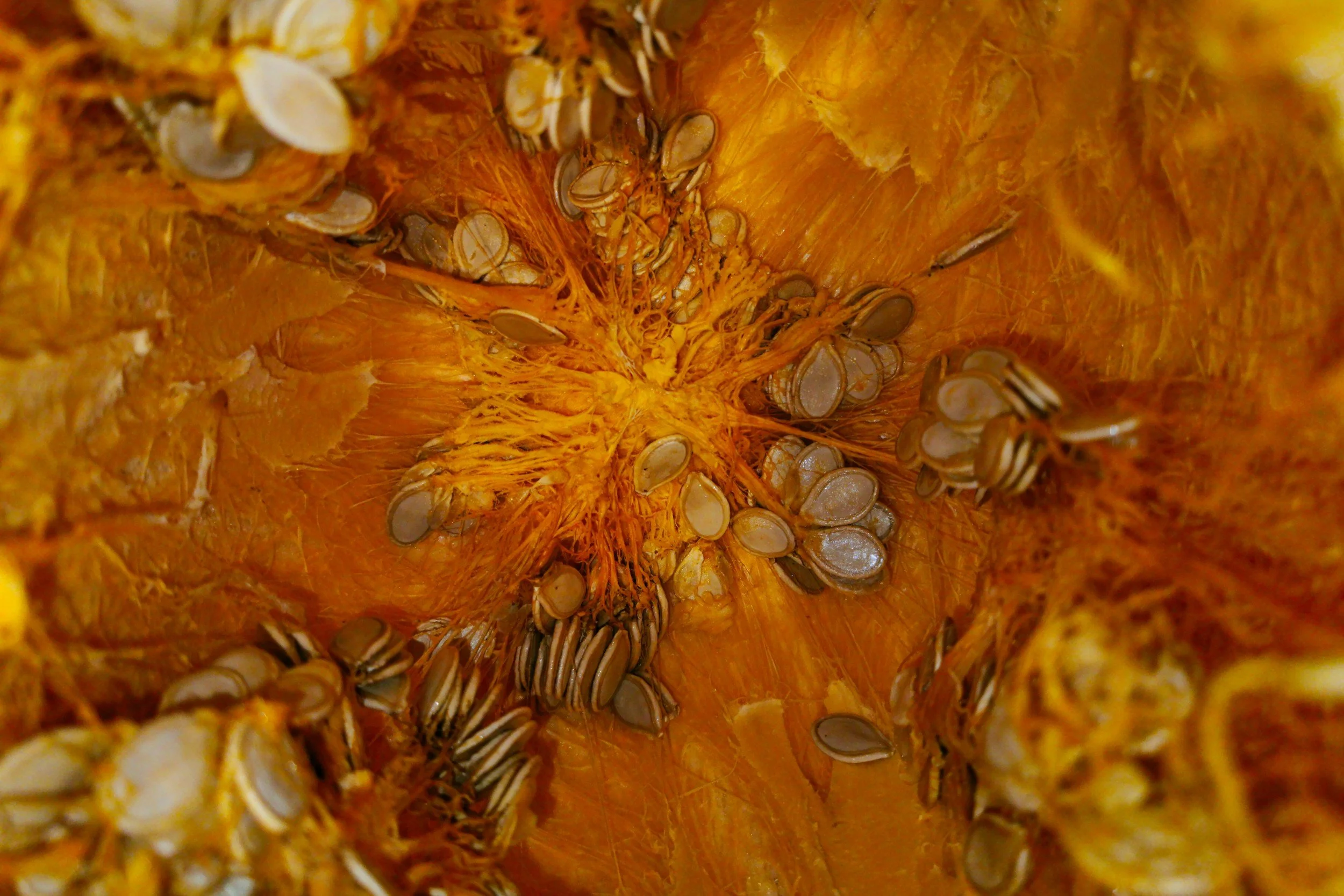
Using a sharp knife, safely cut the top off one of the pumpkins, making sure it’s a large enough hole for the children to see inside and also get their hands in to have a feel of the pumpkin seeds. Ask the children…
“What can you see?”
“What can you feel?”
“What do you think these are?
Introduce the words, ‘flesh, seeds, skin and stem’. Remember to place the knife away safely when not in use.
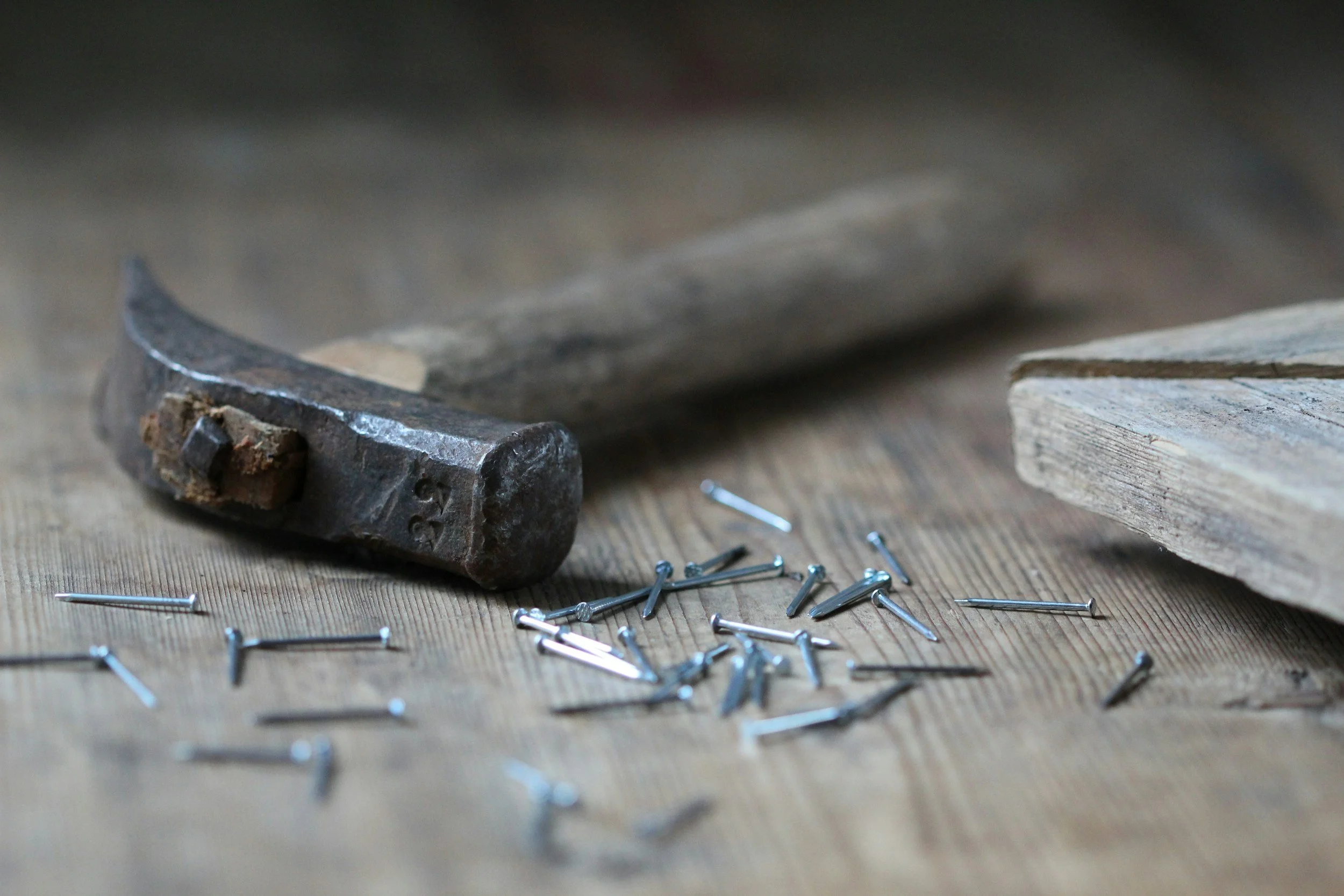
With adult supervision and support, pumpkins provide a good material to practice tool use, Add children’s saws, screws and screwdrivers, nails and hammers and whole or parts of pumpkins and allow the children to explore and practice. Remember to protect eyes with safety goggles when using tools.
Tap, Twist and Turn
Lets get Messy!
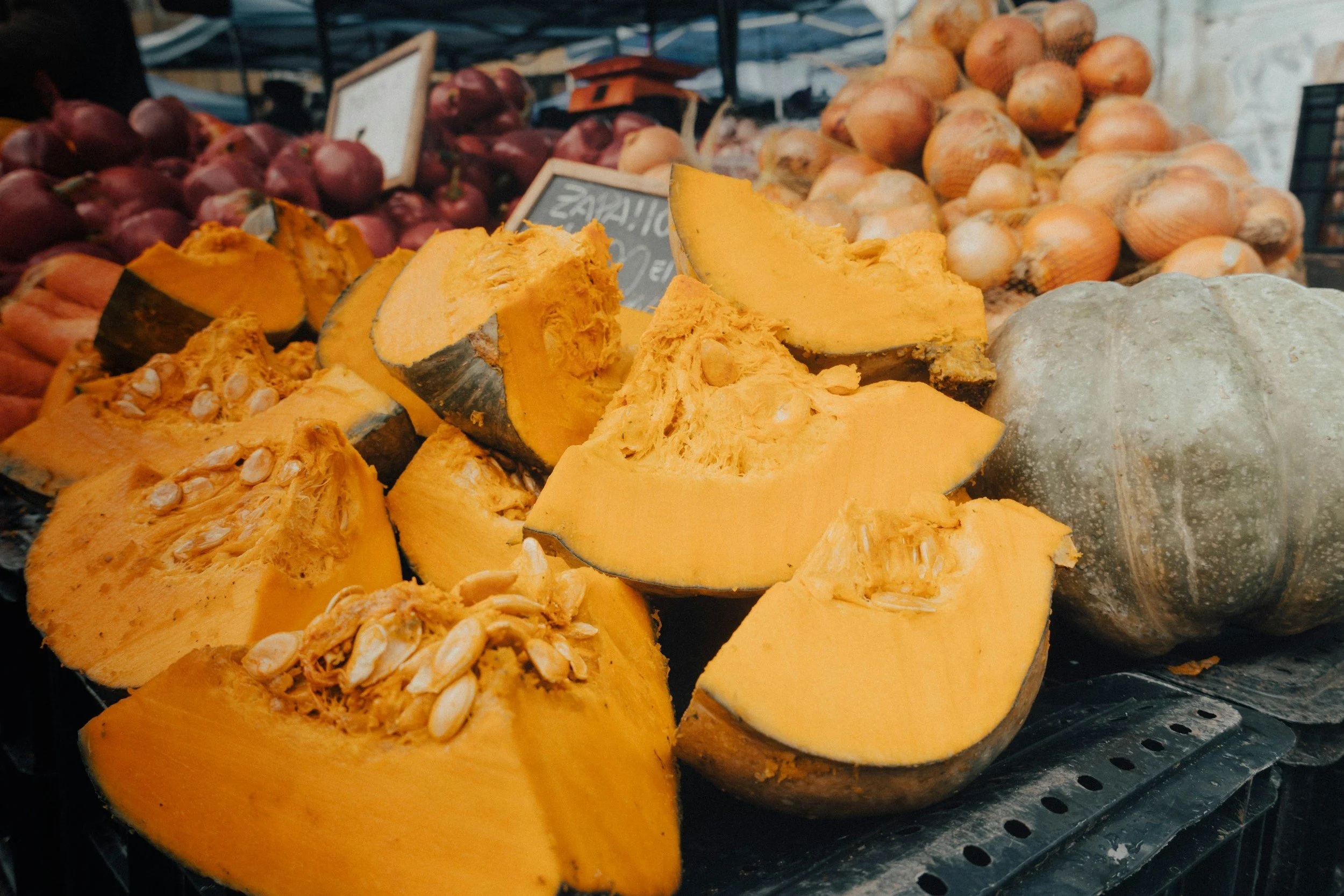
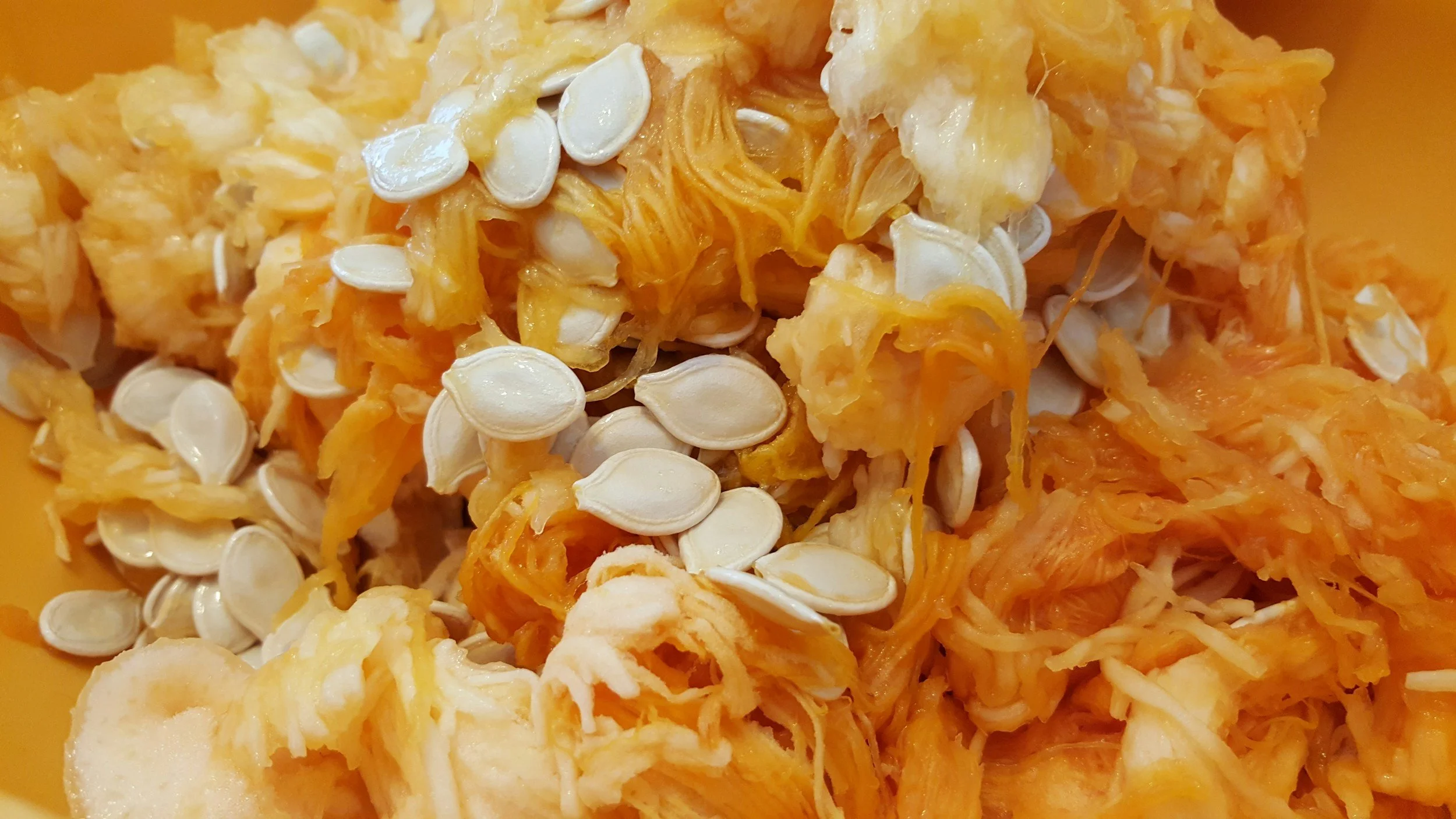
Encourage the children to use their hands to explore the pumpkin flesh and seeds if they feel comfortable, or give them spoons to scoop out into bowls and containers. Use this opportunity to talk about the seeds and how the pumpkin grows. Some children may wish to save some seeds to try grow their own pumpkins.
“I wonder where a pumpkin grows? under the ground? on top of the ground? in a tree?
How could we find out?
Pumpkin pie and Mud pie.
Utilise all the flesh, sliced segments and seeds after they’ve been explored. Add them to a mud kitchen area, or outside table with pots, pans and cooking utensils. allow the children to explore the sensory experience as they role play and create exciting recipes. Adult can model appropriate verbs…mixing, pouring, mashing, squeezing etc.
Practitioner Guidance
Not all children like sensory experiences the same, so have gloves at hand for children who don’t like the slimy feeling or offer dried seeds to explore instead.
model language as the children explore.
Encourage each child to explore the pumpkins and equipment as freely as is safe to do so and offer hand over hand support to those keen but not yet quite able.
Embrace the sticky mess!
This truly is a sensory experience as well as an opportunity to develop skills in mathematical thinking and tech equipment, therefore remember to take time to pause and enjoy.
Role model curiosity, wonder and enjoyment. If an adult is reluctant to get sticky, children may be too.
Have warm soapy water and hand drying close by



Pumpkin seeds can be a choking hazard so avoid children putting any in their mouths during their play.
Supervise all tool and use and ensure tools are returned safely out of reach of children when finished.
Pumpkin on floors can become slippery.
Pumpkin decomposition investigation – observe what happens to a pumpkin over time and discuss how nature recycles materials.
Read the story-How Many Seeds in a Pumpkin? by Margaret McNamara