
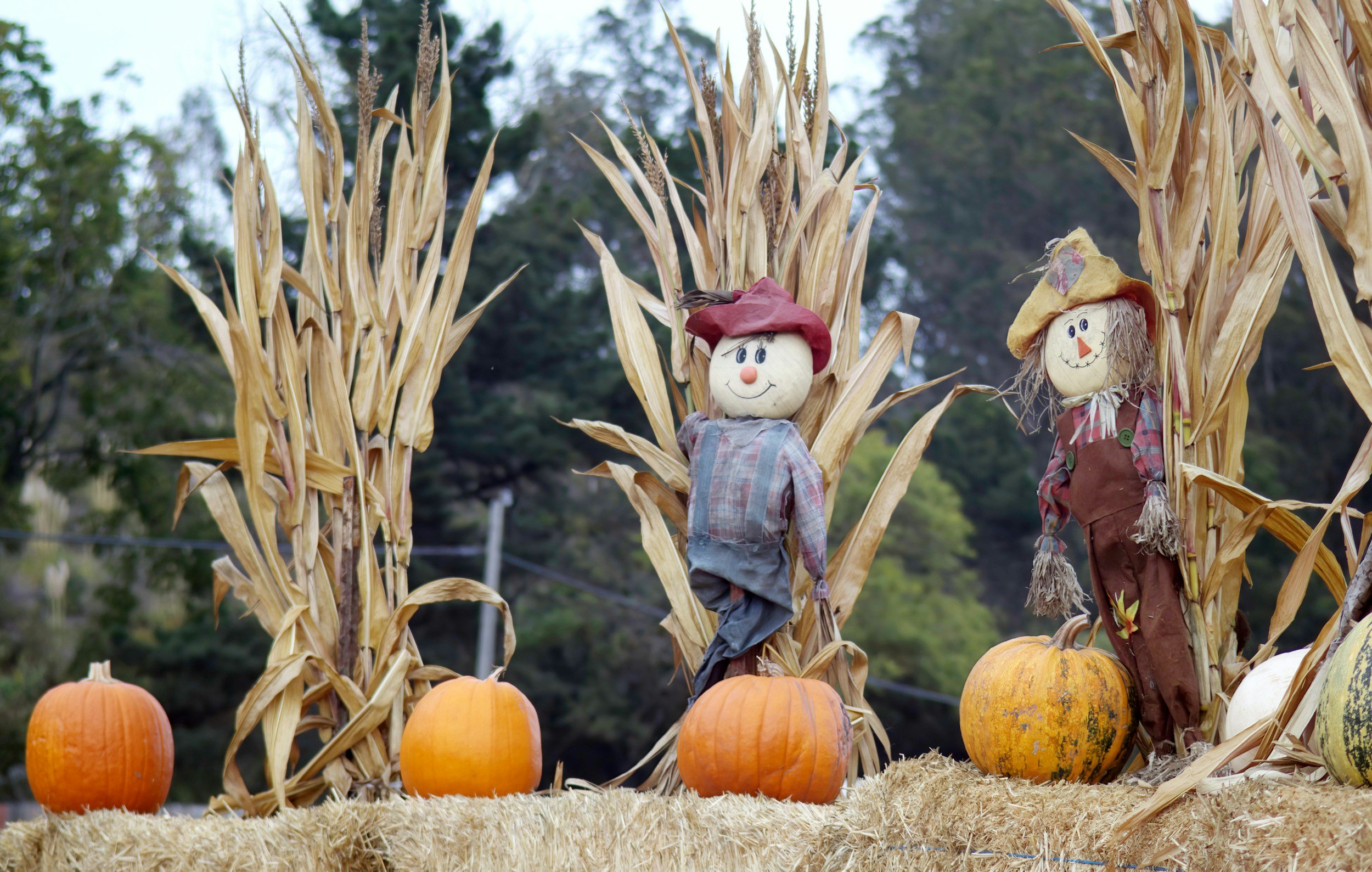
Make a Scarecrow.
"Can we build a scarecrow that will protect our garden?"
Place some old clothes, straw and a hat where children can explore them. You could also show them photographs of different scarecrows.

Children work together to design and build a scarecrow for the nursery garden or outdoor space. They choose clothing, stuff it with suitable materials, create a face and decide where their scarecrow should stand.

Children will have the opportunity too…
Develop fine and gross motor skills through stuffing, fastening, tying and carrying
Use imagination and creativity when designing the scarecrow
Practise communication, cooperation and turn-taking
Explore size, shape, texture and the human body.
Learn why scarecrows are used and talk about birds, crops and growing food.

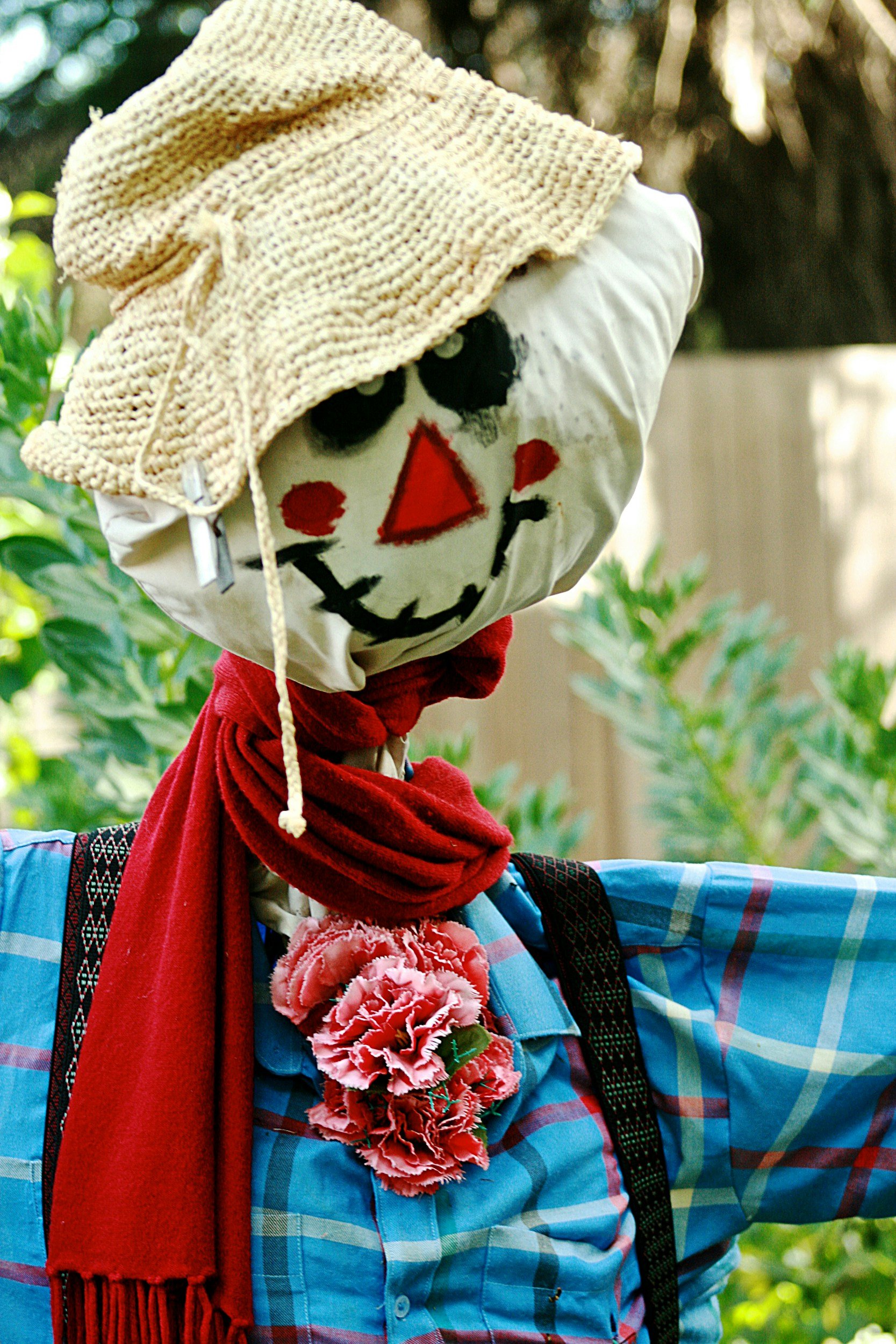
Begin by asking what children know about scarecrows and why farmers or gardeners might use them.

Plan Together
Examine the materials together and invite children to plan the scarecrow's appearance.

Vote for a Name
Invite the children to choose a name. The children can decide the best way to come to a decision about this. It may be voting or drawing names out of scarecrows hat.
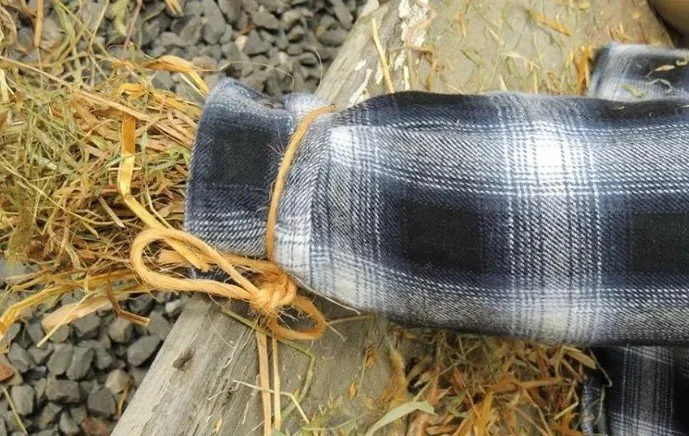
Build your Scarecrow
Fasten the shirt to the trousers, then support the children to stuff the clothes
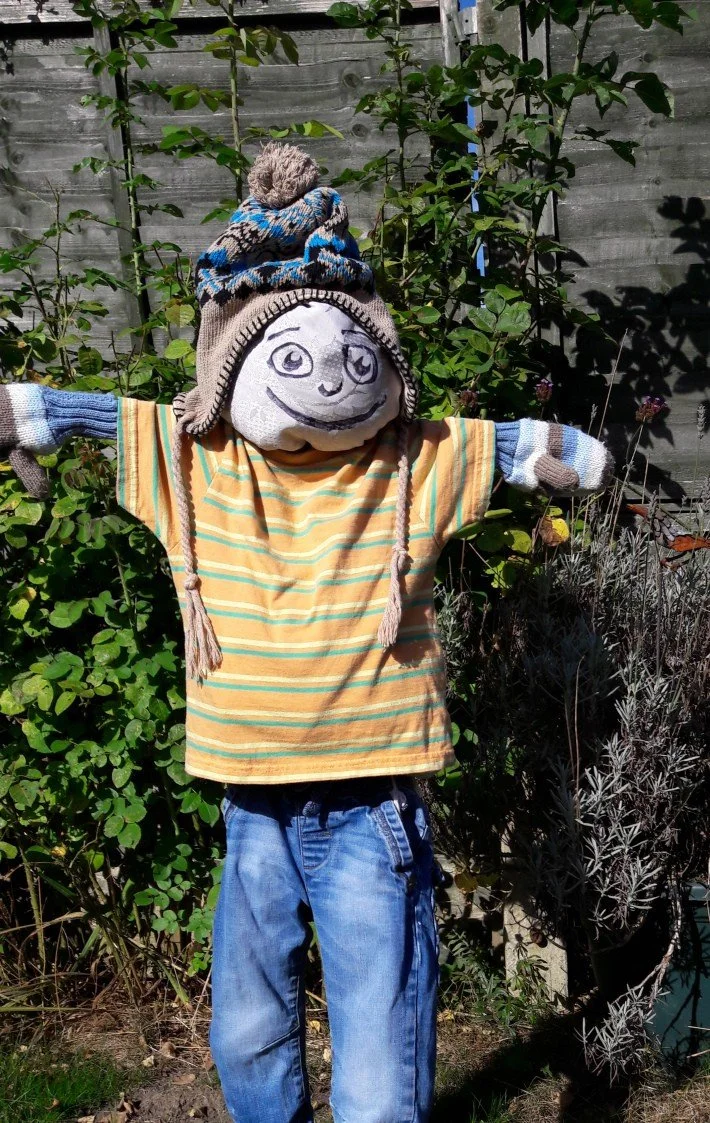
Position the Scarecrow outside
An adult should securely attach the scarecrow to its support and position it outdoors. Let the children decide together where is the best place for it to be.
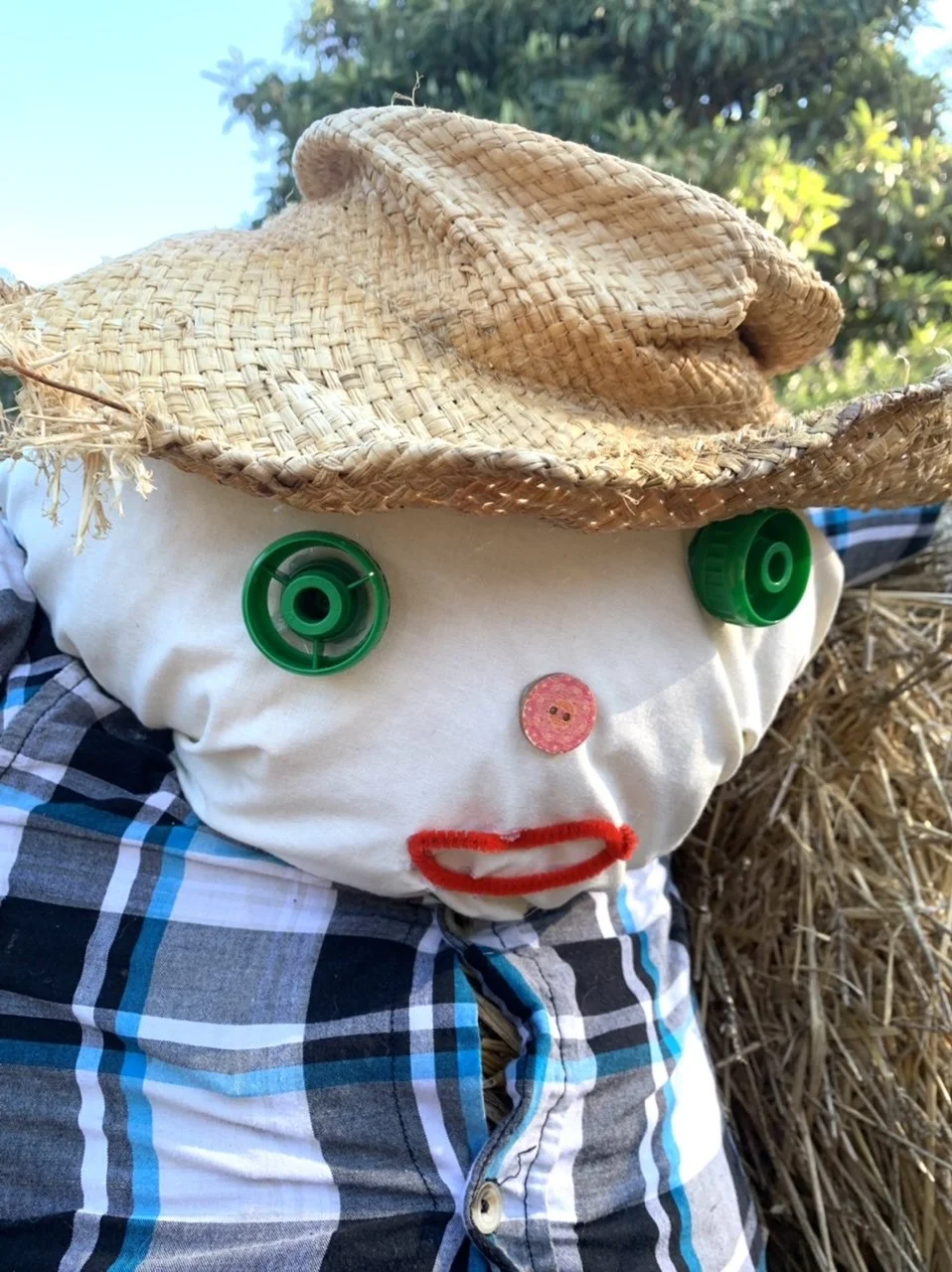
Make a Face
Create and attach a face, add the hat and accessories. This can be using pens or fabrics. Allow the children to be creative in the materials that they use.

Time to feedback and reflect.
Encourage children to describe the process, solve problems and work together throughout. Ask children open ended questions about the experience such as - “what did we have to do first?” “How did you find having to fit all the parts together?” “ What solutions did you find?” “What could we do differently next time?”
Practitioner Guidance
Offer large fabric pieces, easy-grip tools and pre-cut facial features for children who need additional fine-motor support. Allow children to explore the materials without pressure to touch unfamiliar textures. Use photographs, symbols, gestures or key-word signing to support communication. Provide seated or table-level tasks, such as decorating the face, for children who cannot easily access the outdoor building area.
Secure the completed scarecrow firmly and inspect it regularly after wet or windy weather. Remember: the scarecrow should only frighten birds - not the children!

Adults must handle the wooden stake, sharp tools and all heavy lifting. Check reused clothing and stuffing for staples, pins, mould, dirt or other hazards. Avoid plastic bags and loose materials that could cover a child's face. Supervise string and cord carefully and keep them short. Check for allergies before using straw or hay; clean fabric or shredded paper can be used instead.
Visit the scarecrow regularly and notice changes caused by weather. Keep a simple tally of birds seen near the garden and discuss whether the scarecrow appears to work. Grow seeds or vegetables nearby, make miniature scarecrows, create scarecrow stories and songs, or explore how birds help gardens as well as eat crops. Children could redesign the scarecrow after observing it and suggest improvements.