
Wildflower Seed Detectives
Collect Save and Sow
“I wonder what happens to a flower when it finishes flowering?”
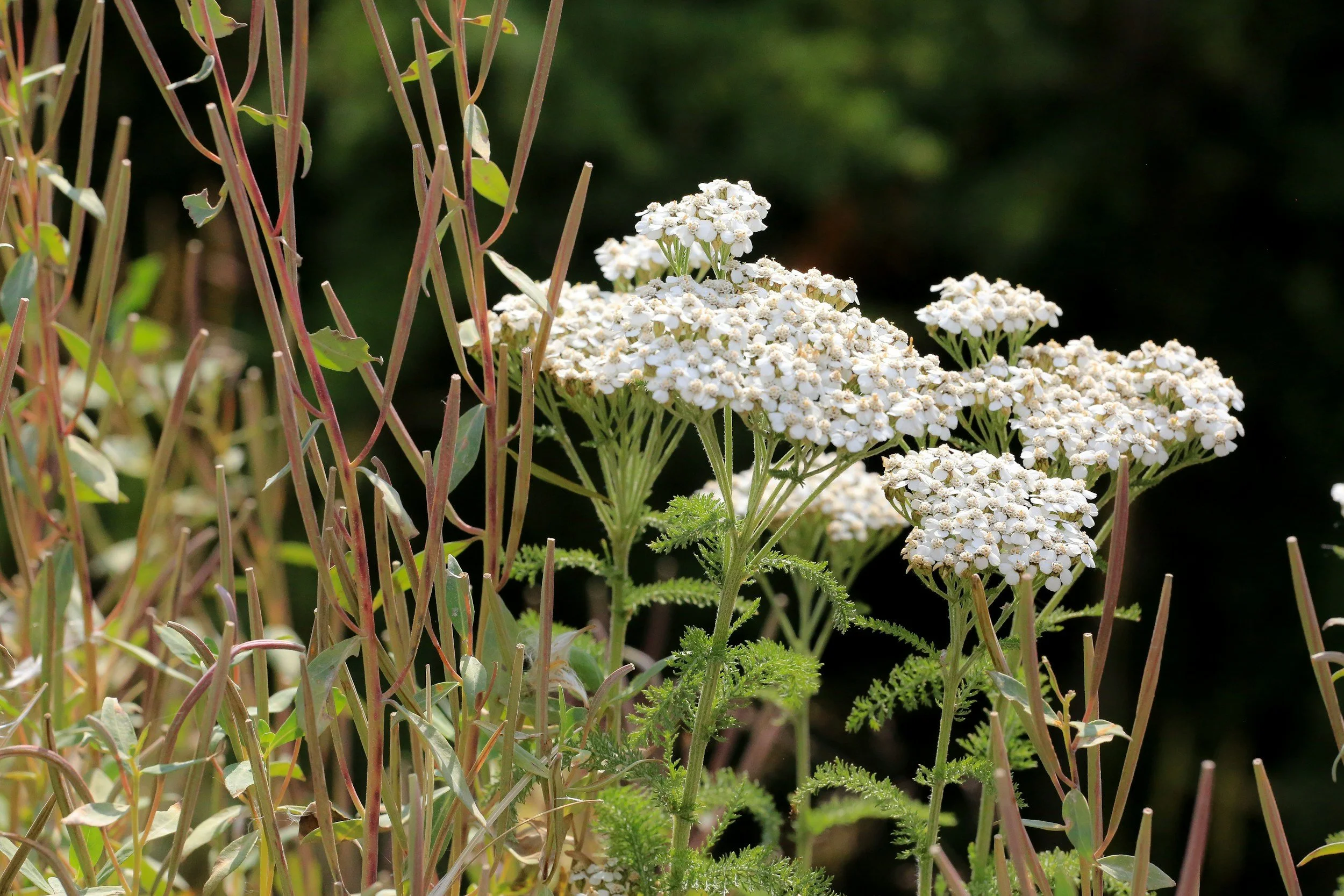
Children will observe how flowers change over time and discover the journey from flower to seed and new plant.
They will develop scientific and mathematical thinking by identifying, counting, sorting and comparing seeds, while strengthening their fine motor skills through collecting, examining and sowing.
The activity also encourages curiosity, responsibility and an understanding of how we can care for local plants and wildlife.
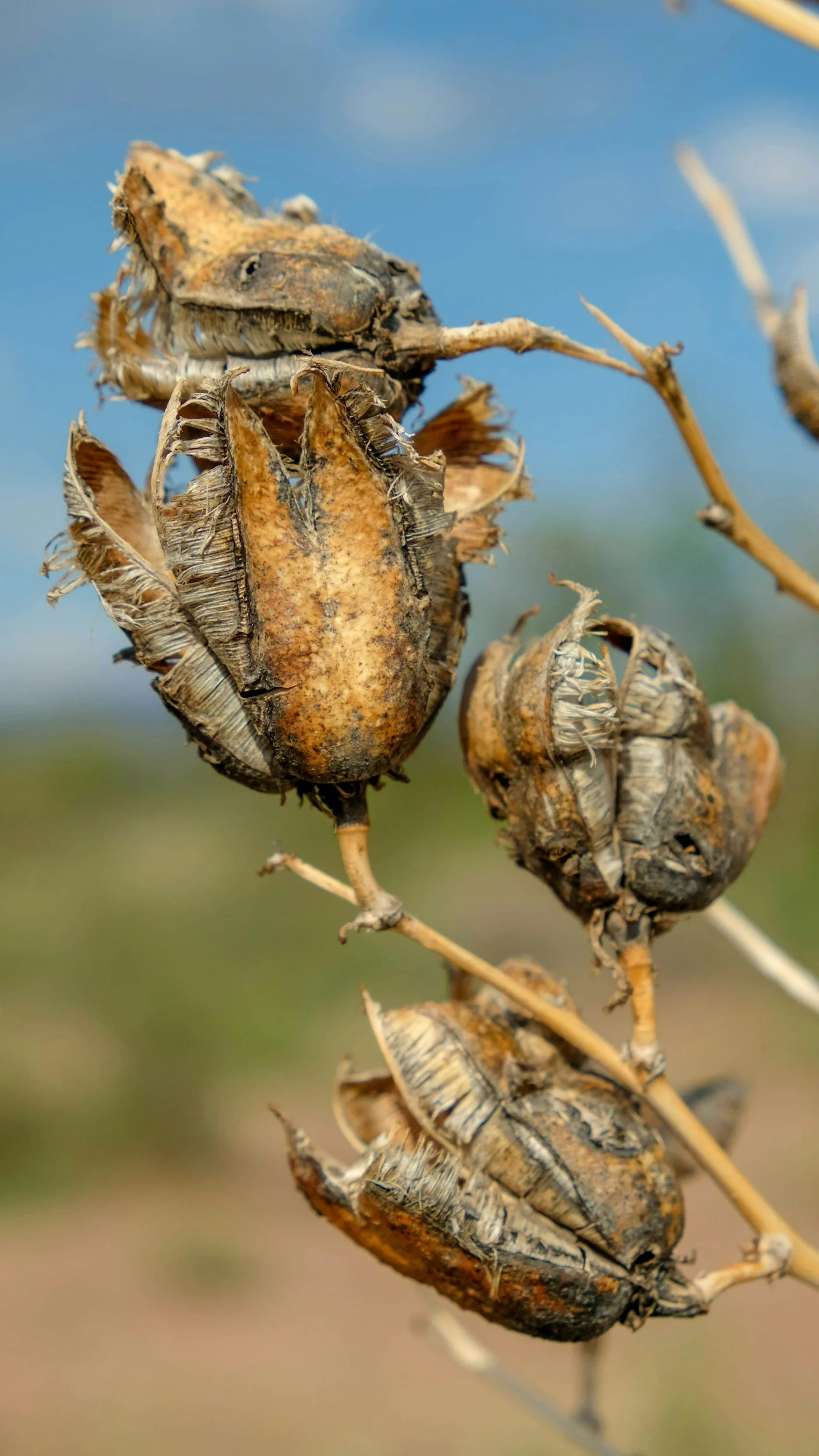
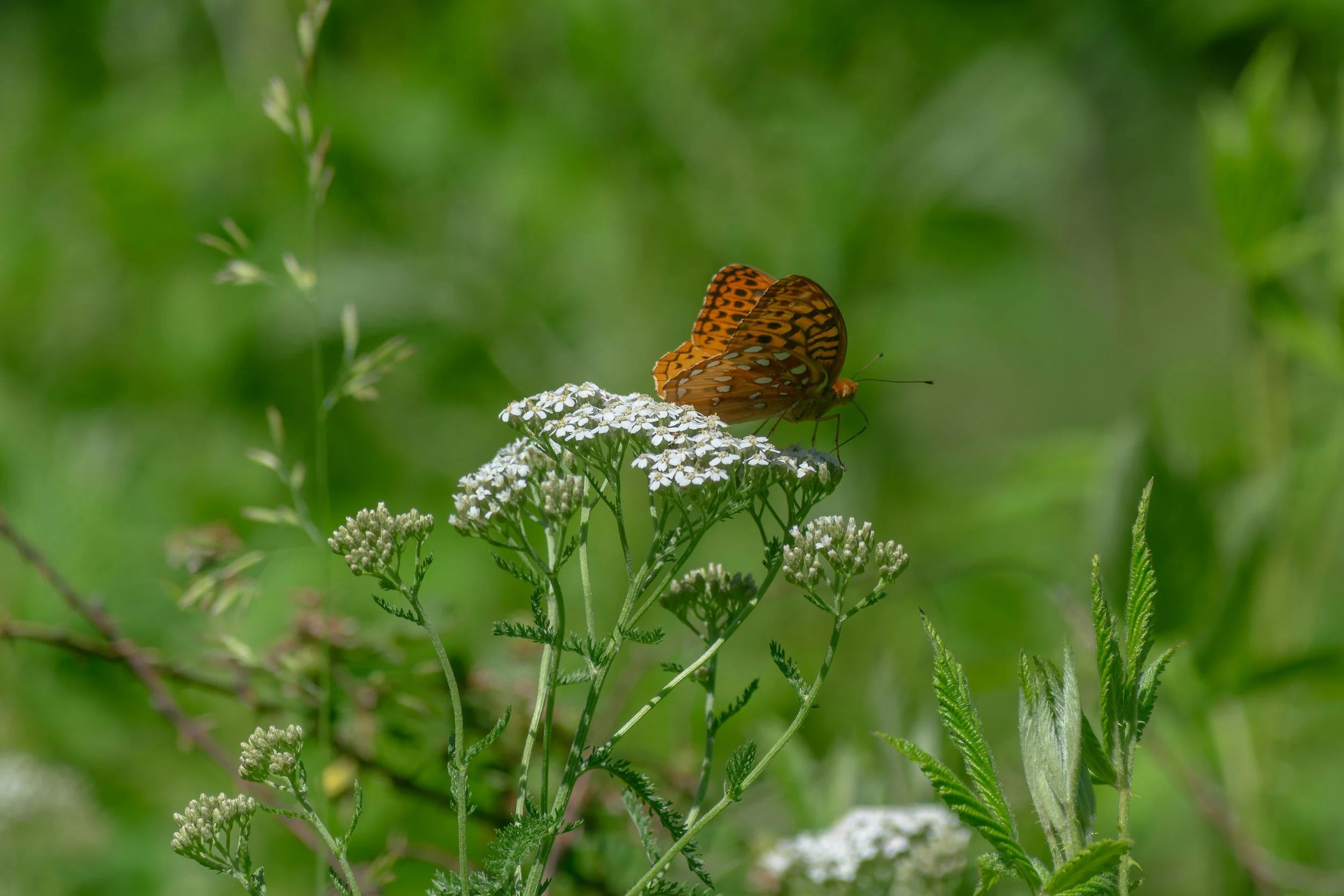
Begin by exploring the wildflowers in your outdoor space. Encourage the children to look closely at their colours, shapes, petals, leaves and stems. Return to the same plants over time and notice what happens as their flowers begin to fade and seed heads form.
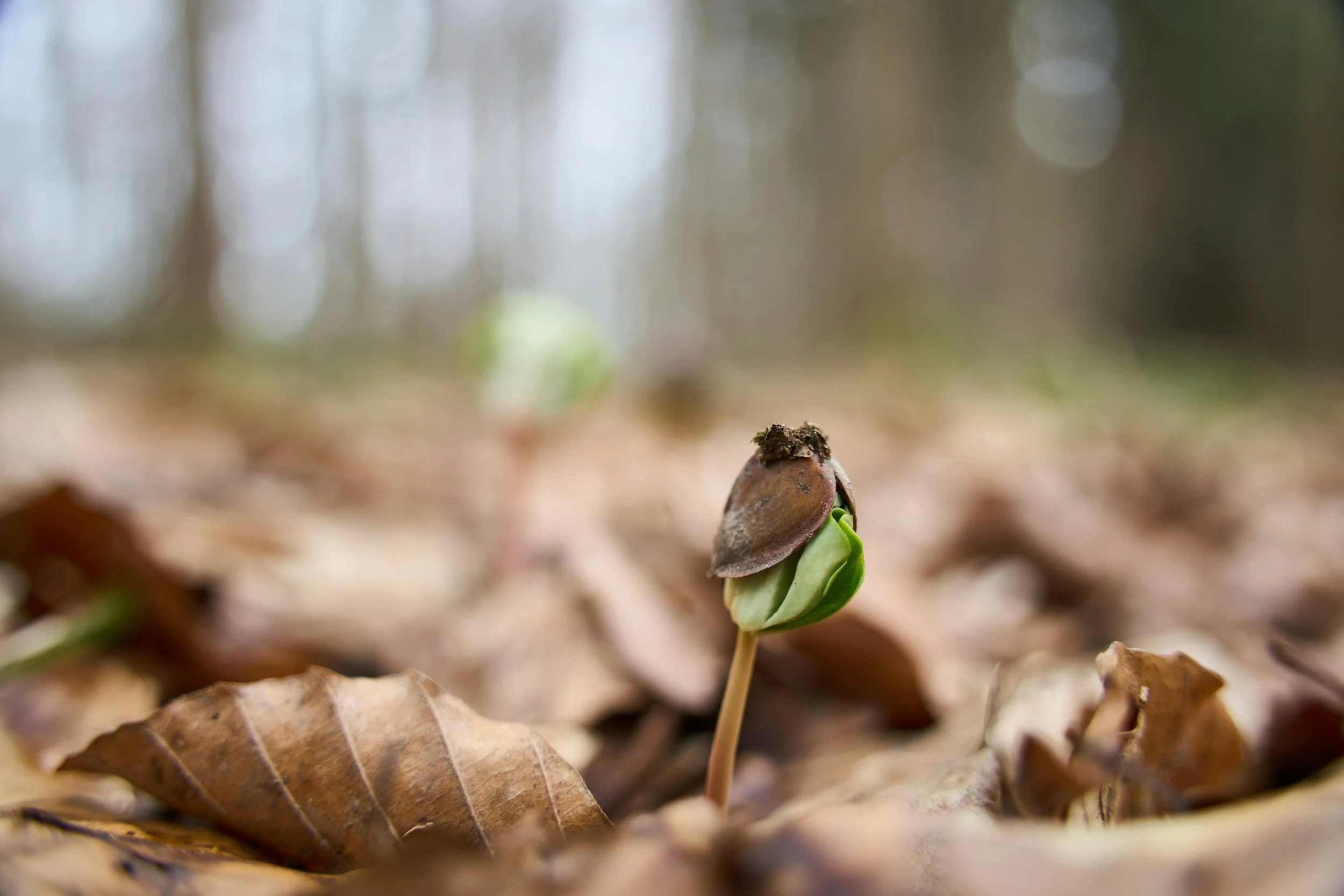
Introduce the plant life cycle
Flower → Seed → New Plant → Flower
Ask the children:
“Can you find a flower that has turned into seeds?”
Collect Only What You Need
Look for dry, brown seed heads on plants that are growing abundantly. Collect only a small amount and leave plenty for the plant to reproduce and for wildlife to eat.
Explain to the children that we collect only where we have permission, never pull up the whole plant and never collect rare or protected species. A helpful phrase to use is:
“Look, don’t pick unless we know it is safe and we are allowed. We only take a little from plants that are plentiful.”
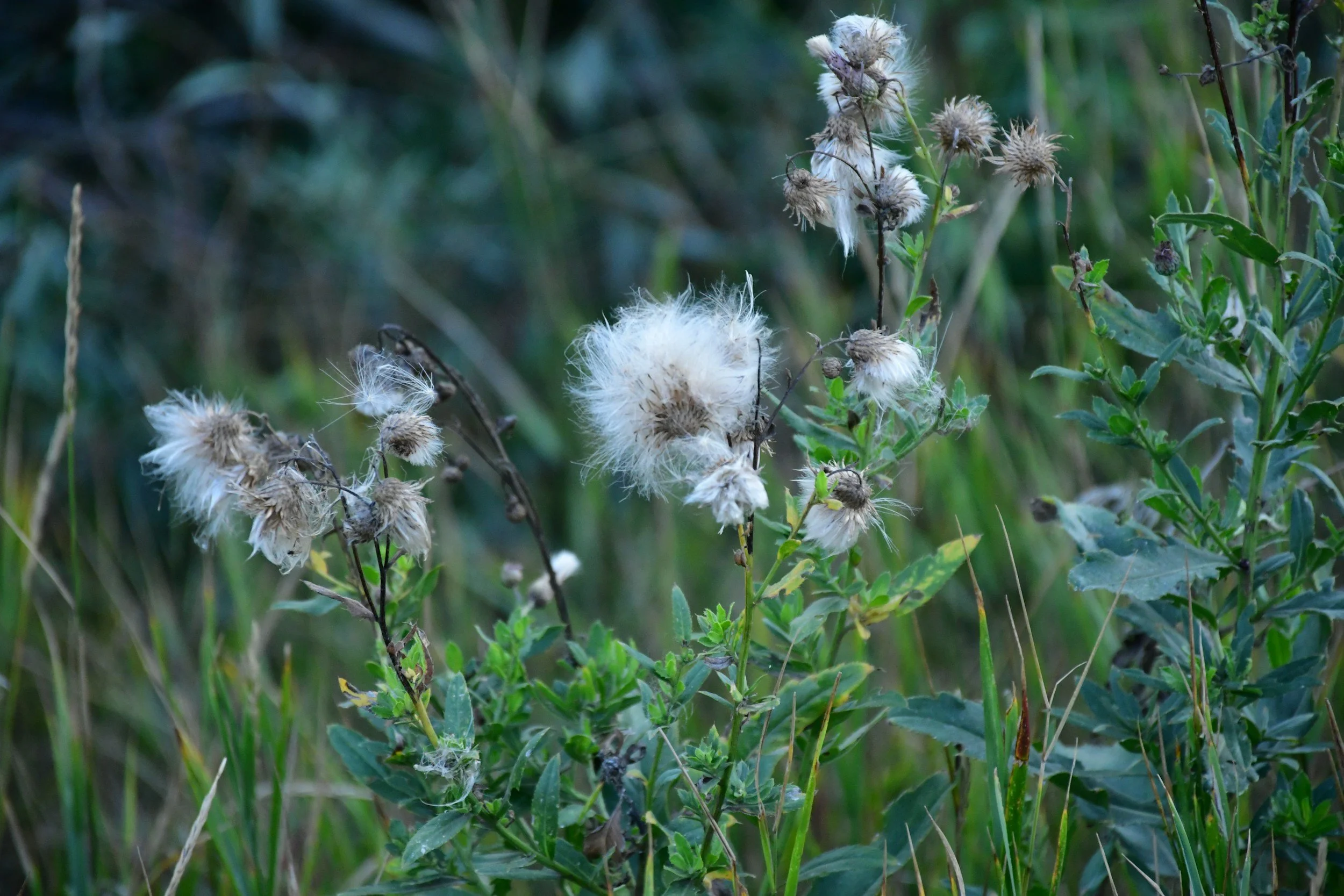
Look for Flowers and Seed Heads
Explore your grounds or local area together. Depending on what grows nearby, children may discover the fluffy seed heads of dandelions, the dried flower heads of yarrow, red clover, oxeye daisies and knapweed, or the small seed pods of bird’s-foot trefoil.
Yellow rattle is particularly interesting because its dry seed pods may make a rattling sound when gently shaken. Children might also find harebell seed capsules or tiny seed capsules on heather after flowering.
Not every plant will be suitable for collecting. Practitioners should confidently identify each plant and check that collection is permitted before anything is touched or gathered.
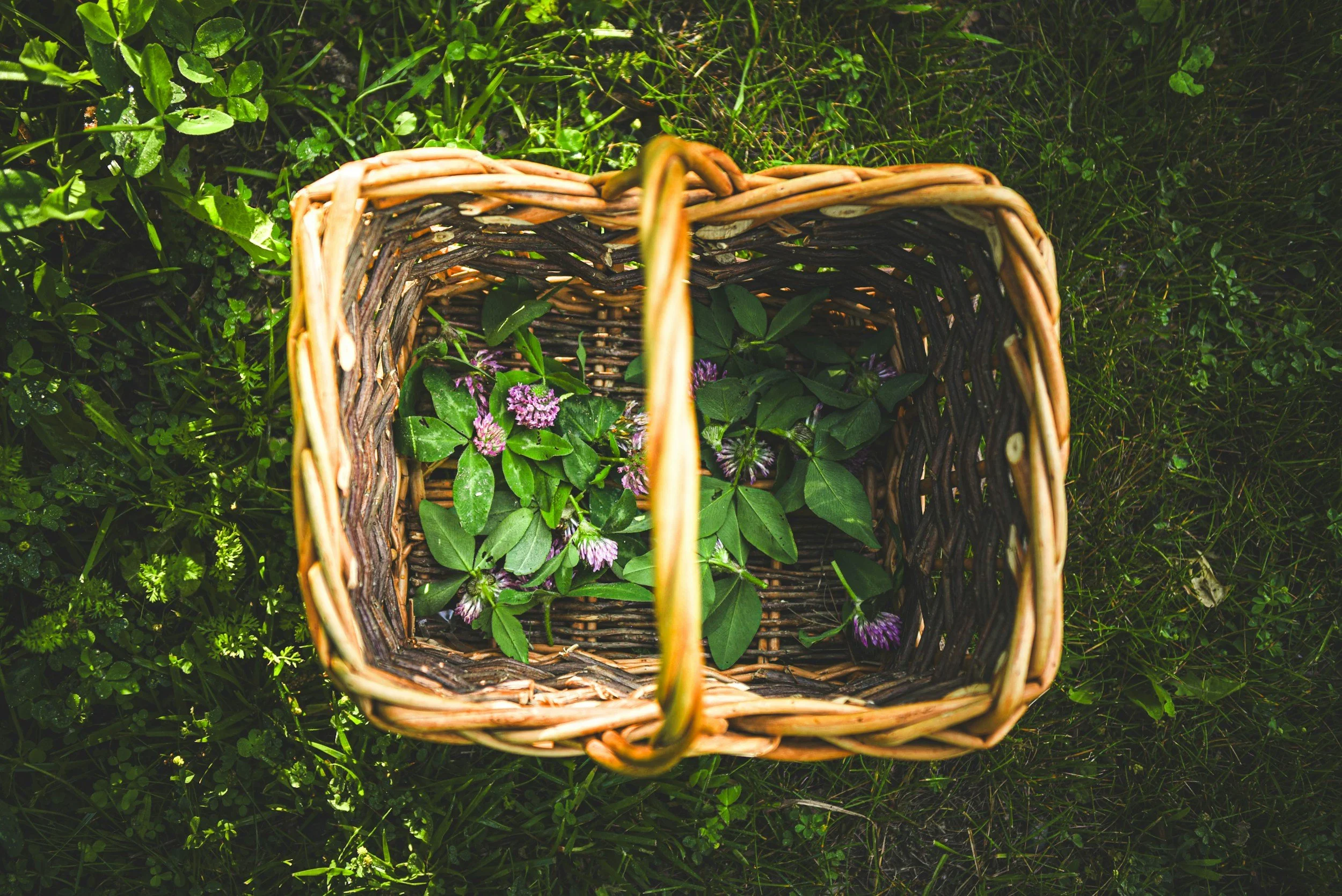
Collect and Explore the Seeds
Take small baskets outside and carefully collect a small number of suitable seed heads. Keep different varieties apart so that they do not become mixed together.
Empty the seeds onto a tray or light-coloured cloth and examine them with magnifying glasses. Encourage the children to compare their size, shape, colour and texture. Talk about whether they are smooth, rough, fluffy or spiky and consider how they might travel to a new place.
Could the seeds be carried by the wind, water, animals or people? Children can count and sort them or arrange them from smallest to largest.
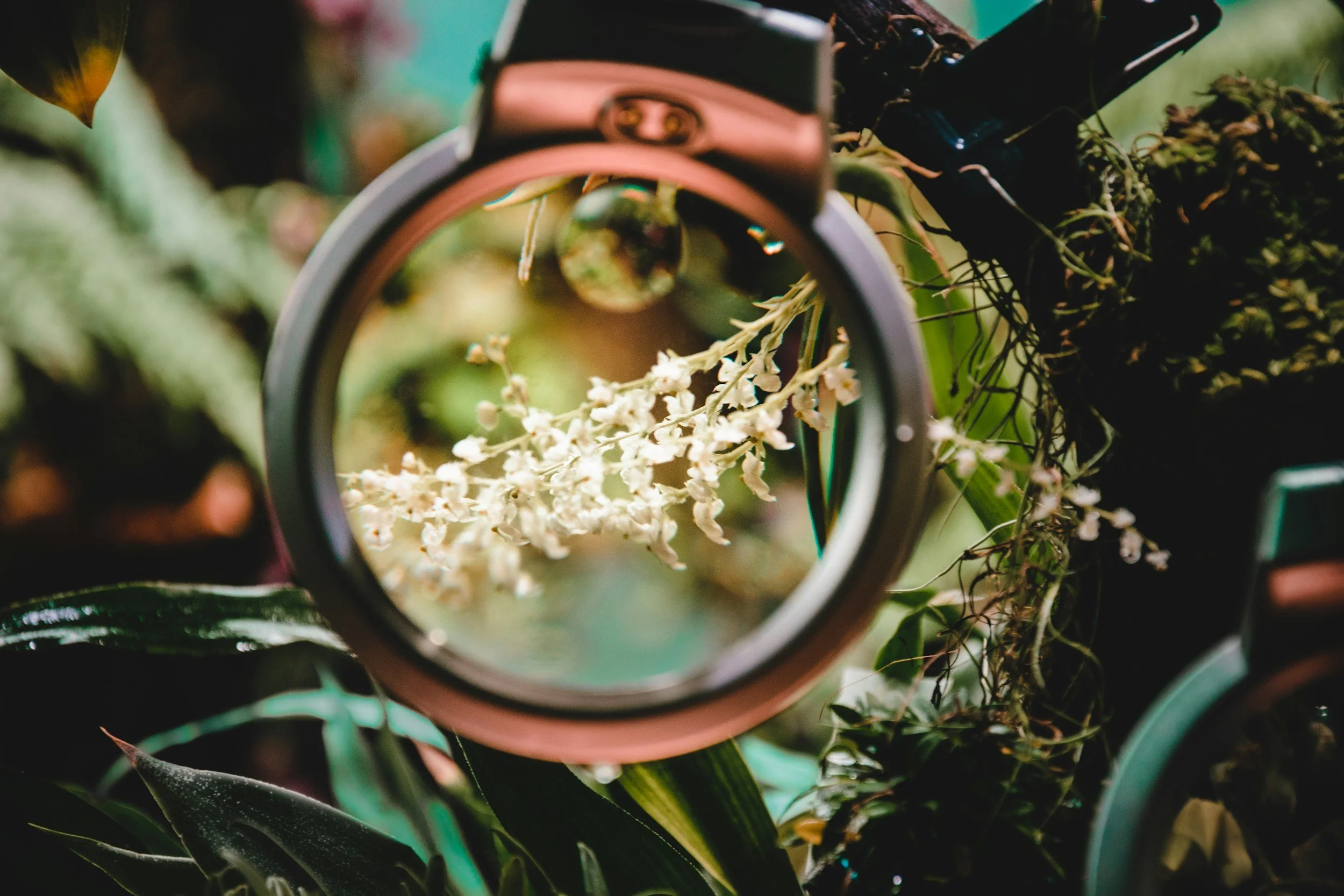
Notice the Details
Invite the children to look closely at the colour, shape, size and texture of each flower and seed head. They can count petals, compare the shapes of leaves and notice where each plant is growing.
Magnifying glasses will help them discover tiny details that are difficult to see with the naked eye. Encourage discussion by asking which plant is the tallest, which seeds are the smallest and how the different seed heads feel
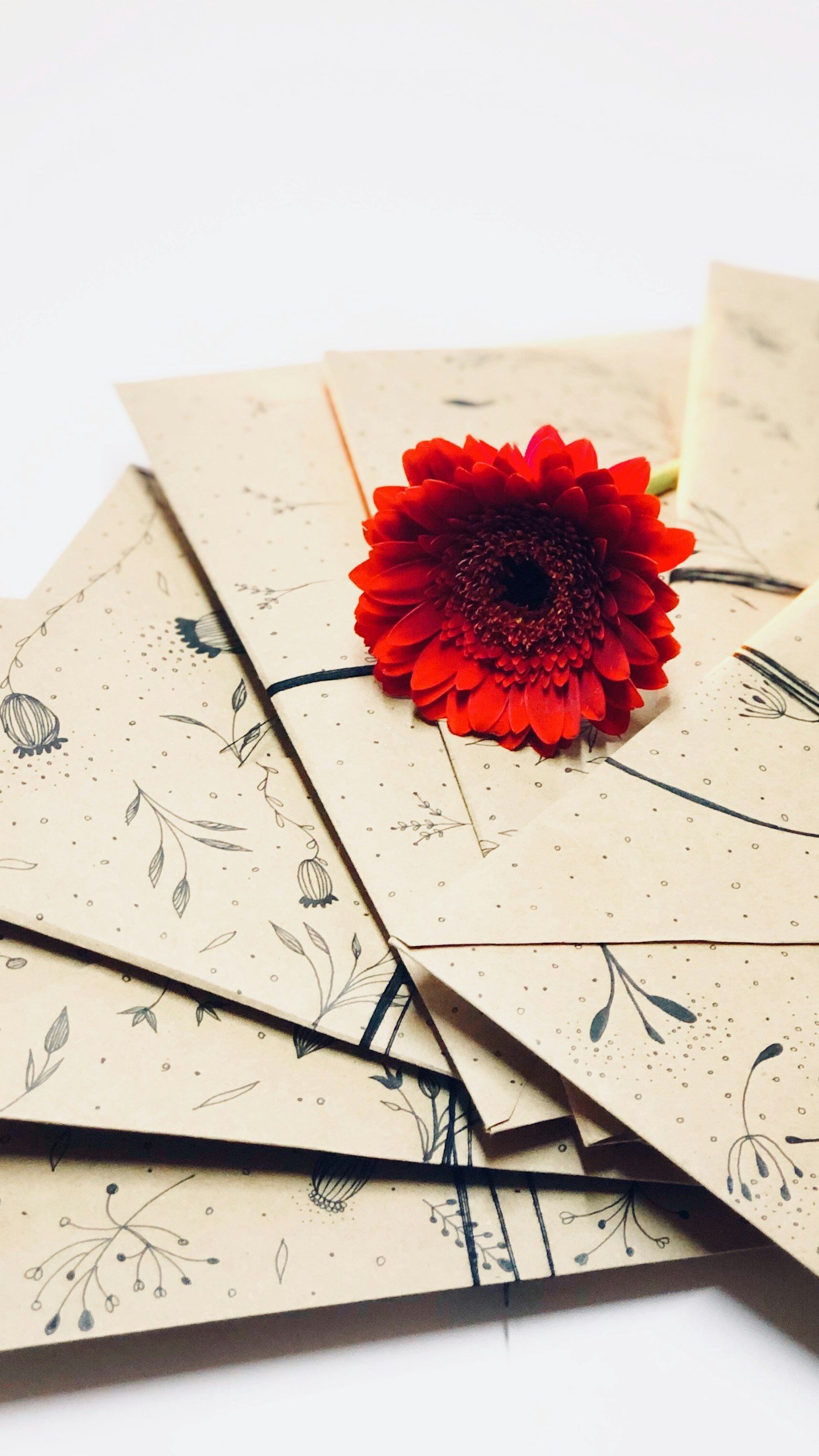
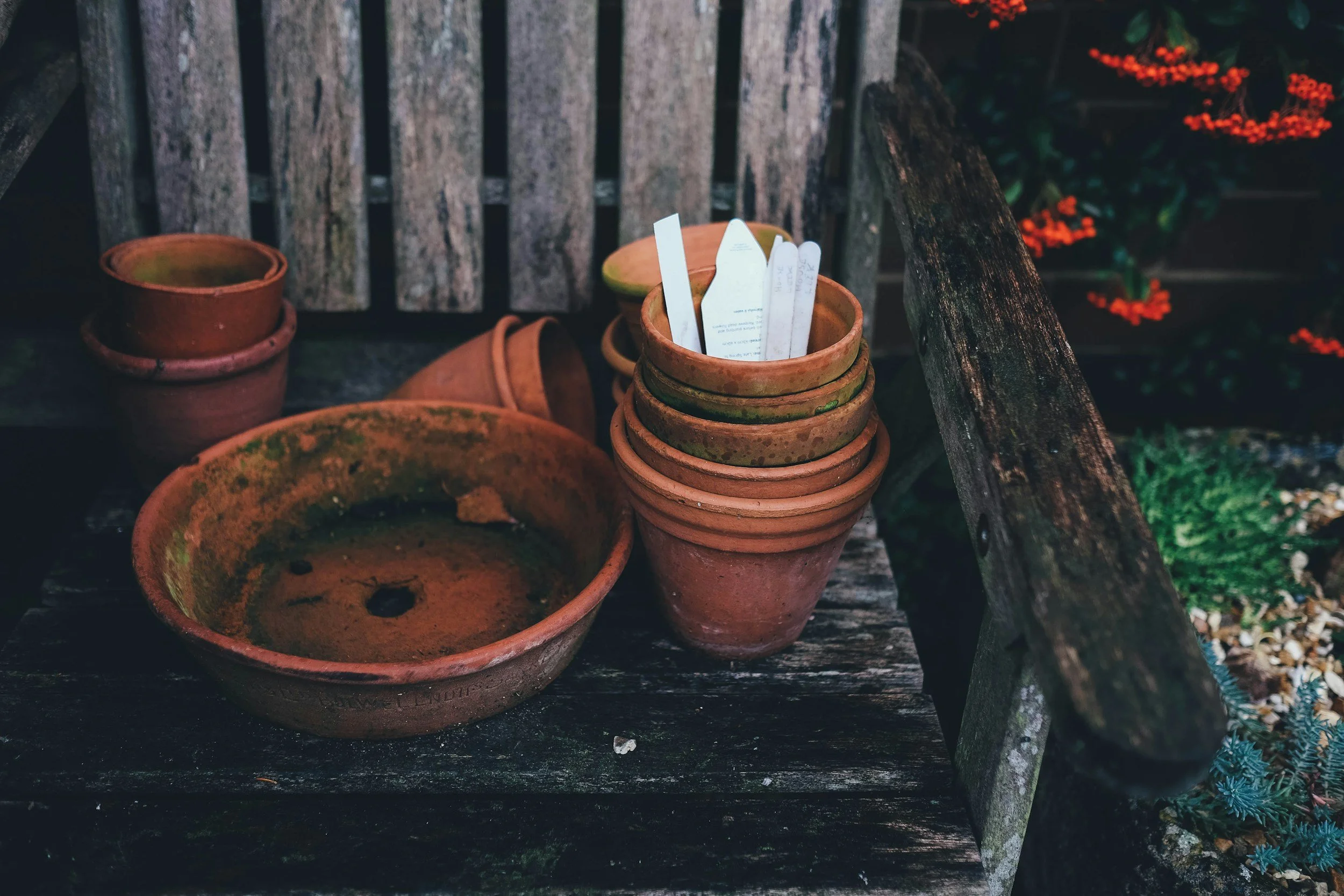
Children can decorate paper envelopes and draw the flower they believe each seed came from. Help them add the name of the plant, where it was found and the date it was collected.
Allow the seeds to dry thoroughly before closing the envelopes. Store them in a cool, dry place until they are ready to be sown.
Make Seed Envelopes
Sow some of the collected seeds in labelled pots or a prepared outdoor patch. Explain that different seeds require different growing conditions and may not appear immediately. Some wildflowers, including yellow rattle, benefit from experiencing cold winter weather before they germinate.
Return to the planted area regularly to look for changes. Children can photograph, draw or talk about what they notice as the seasons progress.
Sow the Seeds
Practitioner Guidance
Encourage children to participate in ways that suit their age, stage and individual needs. Some may enjoy searching for seed heads, while others might prefer sorting seeds, drawing flowers, decorating envelopes or preparing the planting area.

Use open-ended questions rather than giving children all the answers. This will help them develop their own ideas about how seeds are formed, dispersed and grown.
Wildflower identification can be challenging. Always use a reliable identification guide and do not rely entirely on an app. If you are uncertain about a plant, observe it without touching or collecting it.
This activity can continue over several weeks or months. Photographing or drawing the same plants at different stages will help children recognise seasonal change and understand the full plant life cycle.

Children must be closely supervised, and every plant should be positively identified by a knowledgeable adult before it is handled or collected.
Never taste or eat an unidentified plant. Check the area for poisonous or irritating plants, thorns, nettles, animal waste and other hazards. Consider children’s individual allergies and be aware of bees, wasps and other insects visiting the flowers.
Always obtain permission before collecting, take only a small amount from plentiful plants and wash hands thoroughly after handling plants, soil and seeds.
Create a wildflower colour hunt by asking children to find flowers that match coloured cards. Fallen flowers and leaves can be pressed into clay, used to inspire observational artwork or turned into natural crowns without picking living plants.