
Growing and Harvesting
November
November in the Nursery Garden: What to Grow and Harvest
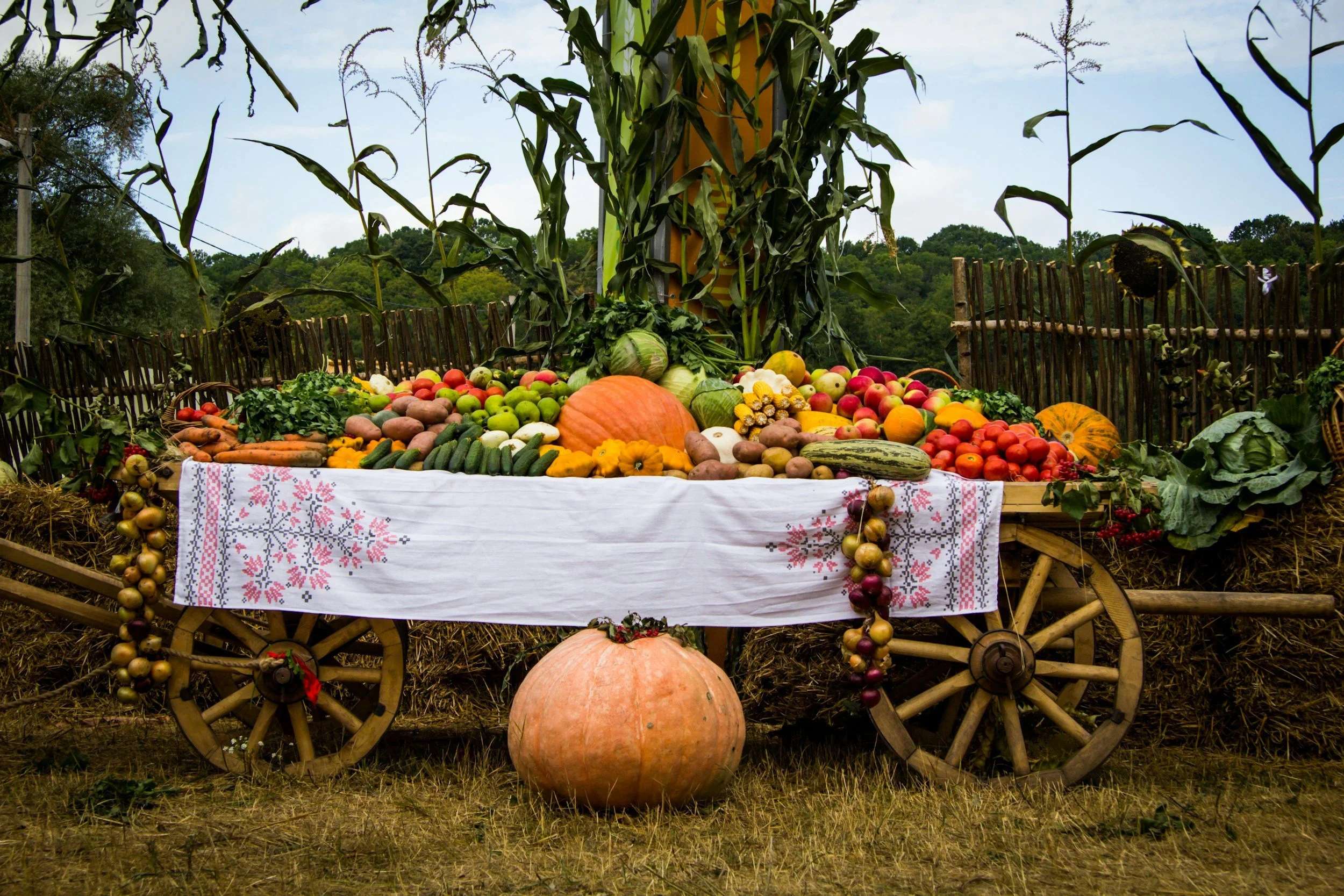
November brings a quieter pace to the nursery garden as temperatures drop, daylight hours shorten and the first frosts begin to appear. Although much of the garden is settling into its winter rest, there are still wonderful opportunities for children to explore seasonal growing, harvesting and caring for their outdoor environment.
This month, children can plant garlic cloves, discovering how a single clove can develop into a whole bulb beneath the soil. They can also harvest leeks, a hardy winter vegetable that provides opportunities for sensory exploration, cooking and understanding how food continues to grow even during the colder months.
What to Grow
Garlic
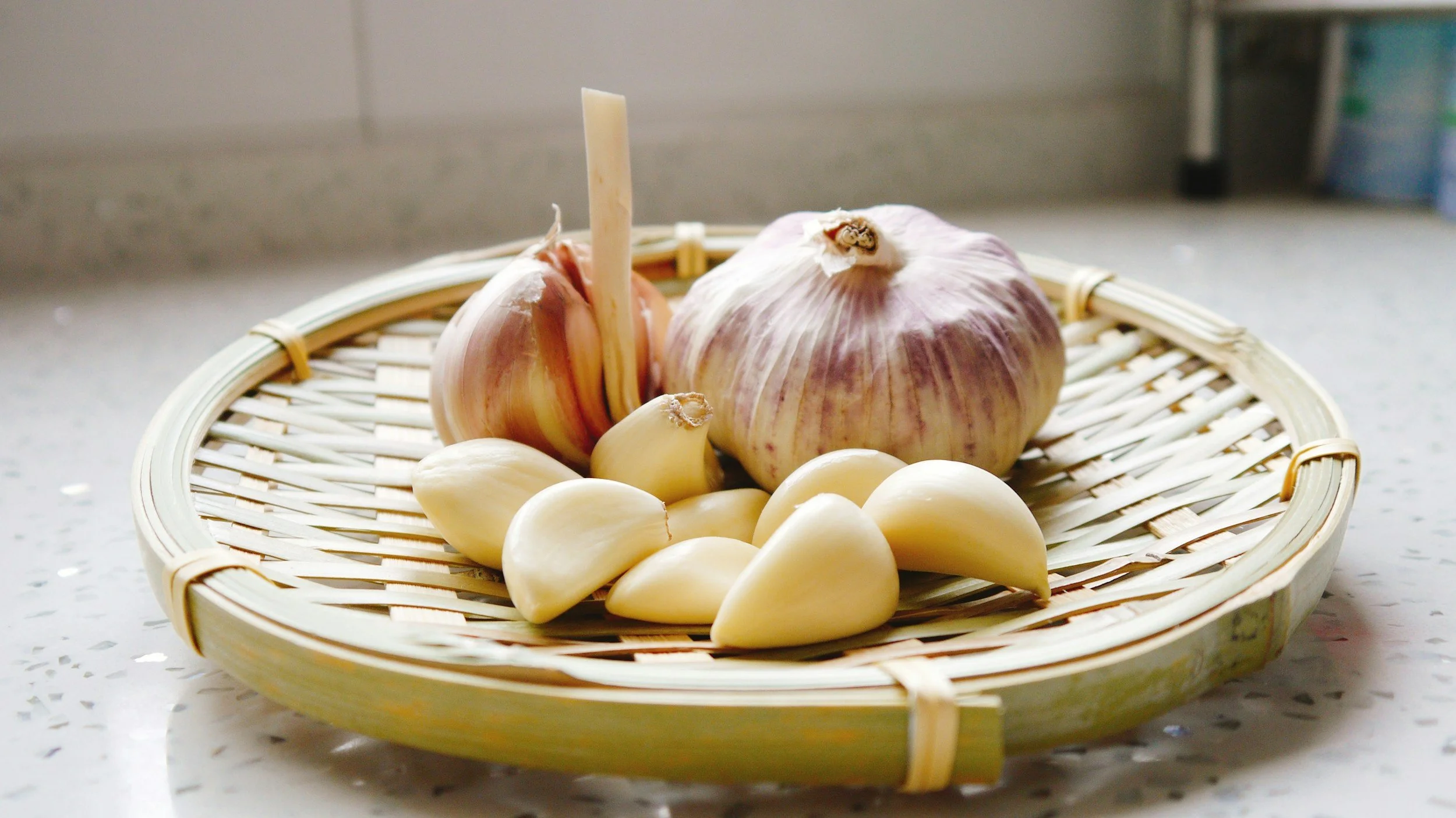
Garlic is an excellent crop for nursery gardens during November. Its large cloves are easy for small hands to handle, and planting requires only a few simple steps. Garlic benefits from a period of cold weather, which encourages the bulb to divide into individual cloves as it grows.
Planting garlic provides a wonderful opportunity to explore what happens beneath the soil during winter, helping children understand that plants can continue developing even when there is very little visible growth above ground.
Where to Find Garlic Bulbs
Garlic bulbs suitable for autumn planting are available from garden centres, nurseries and online seed suppliers.
Choose certified planting garlic rather than supermarket garlic, as supermarket varieties may not be suited to the Scottish climate and can carry diseases.
Look for hardy varieties such as 'Solent Wight' or 'Germidour', which can be planted during autumn for harvesting the following summer.
In particularly wet or heavy soil, garlic can be planted in deep containers with good drainage or started in modules in a sheltered cold frame.
You will need
Garlic bulbs suitable for autumn planting
A sunny, well-drained growing space or deep container
Peat-free compost or well-drained garden soil
Child-sized trowels
A stick marked at 5cm to measure planting depth
A 15cm spacing stick
Watering cans
Plant labels and pencils
Gardening gloves, if appropriate
Method
Choose the growing space:
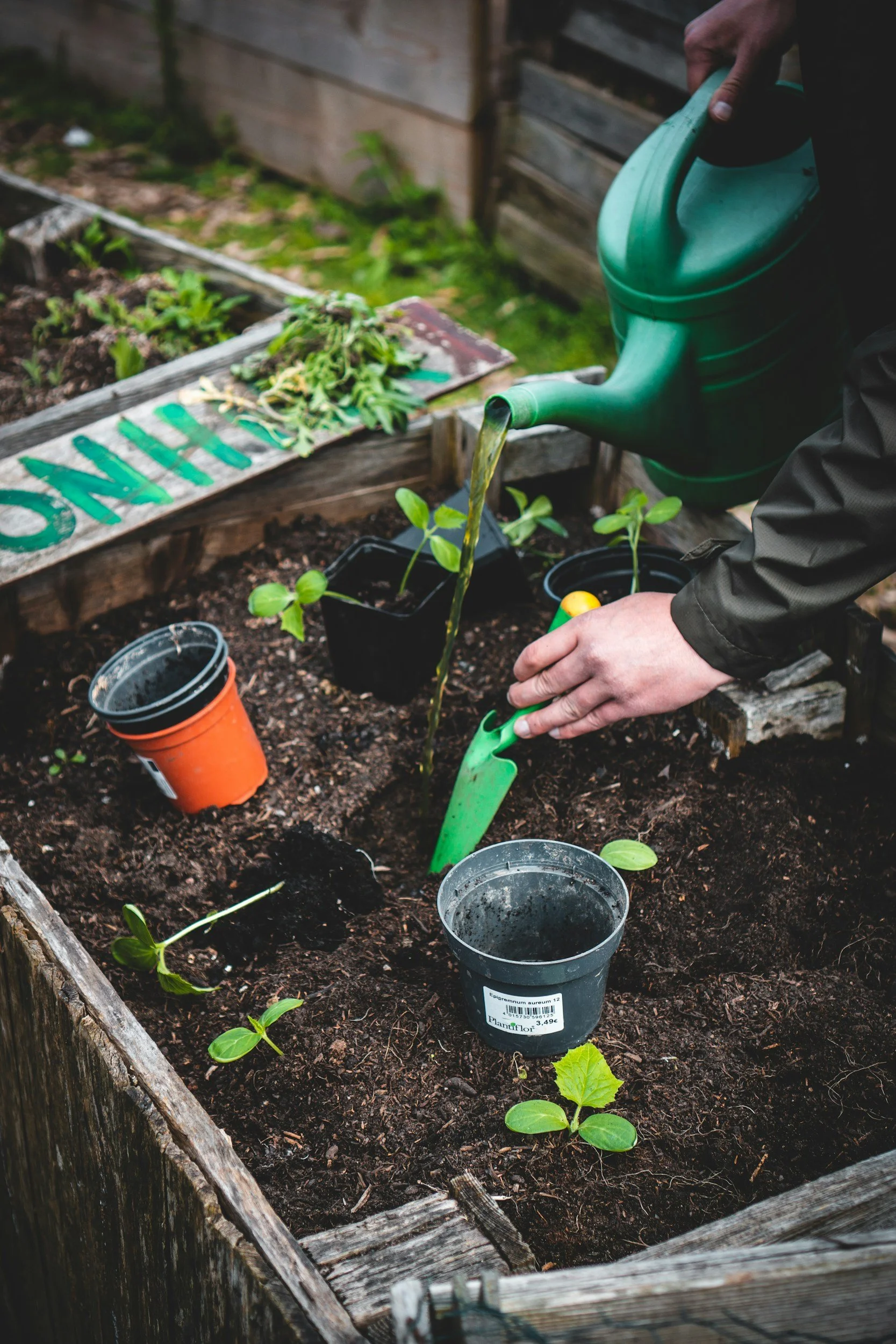
Find a sunny area with well-drained soil. Garlic does not grow well in waterlogged conditions, so raised beds or containers can be particularly useful during wet Scottish winters.
Prepare the soil:
Encourage the children to remove weeds, gently loosen the soil and explore its texture. Is it wet, dry, crumbly or sticky? Add garden compost if needed.
Separate the cloves:
Show the children a whole garlic bulb and invite them to examine its shape, texture and smell. Carefully separate the bulb into individual cloves, leaving the papery covering intact.
Make the planting holes:
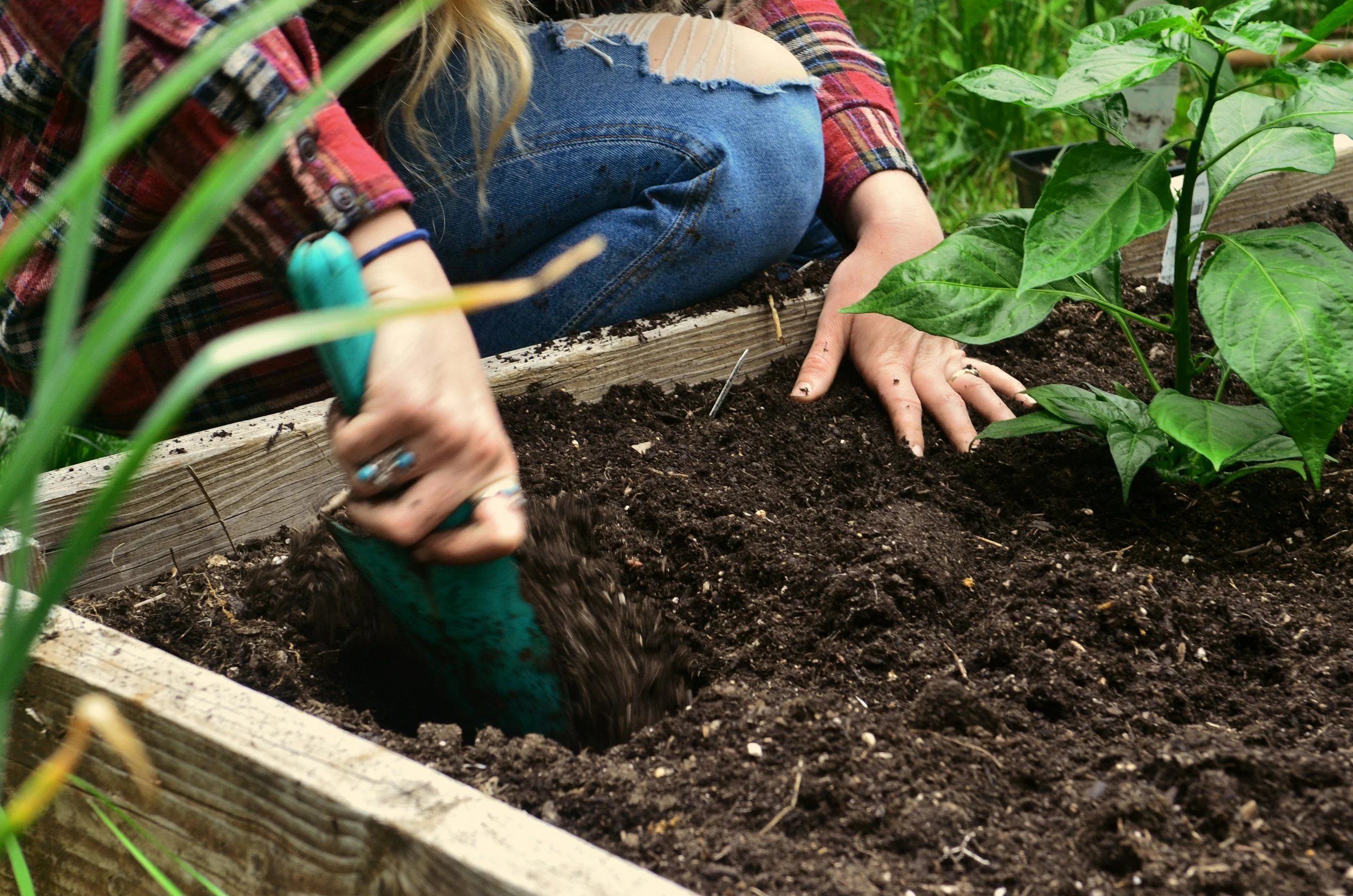
Use the marked stick to create holes approximately 5cm deep, spacing them around 15cm apart.
Plant the garlic:
Invite each child to place a clove into a hole with the pointed end facing upwards and the flat root end facing downwards. Cover gently with soil.
Water carefully:
Water lightly if the soil is dry. During November, rainfall will often provide enough moisture without additional watering.
Add labels:
Create labels showing what has been planted and the date. Children could decorate their labels with drawings of garlic bulbs or their own marks.
Observe over time:
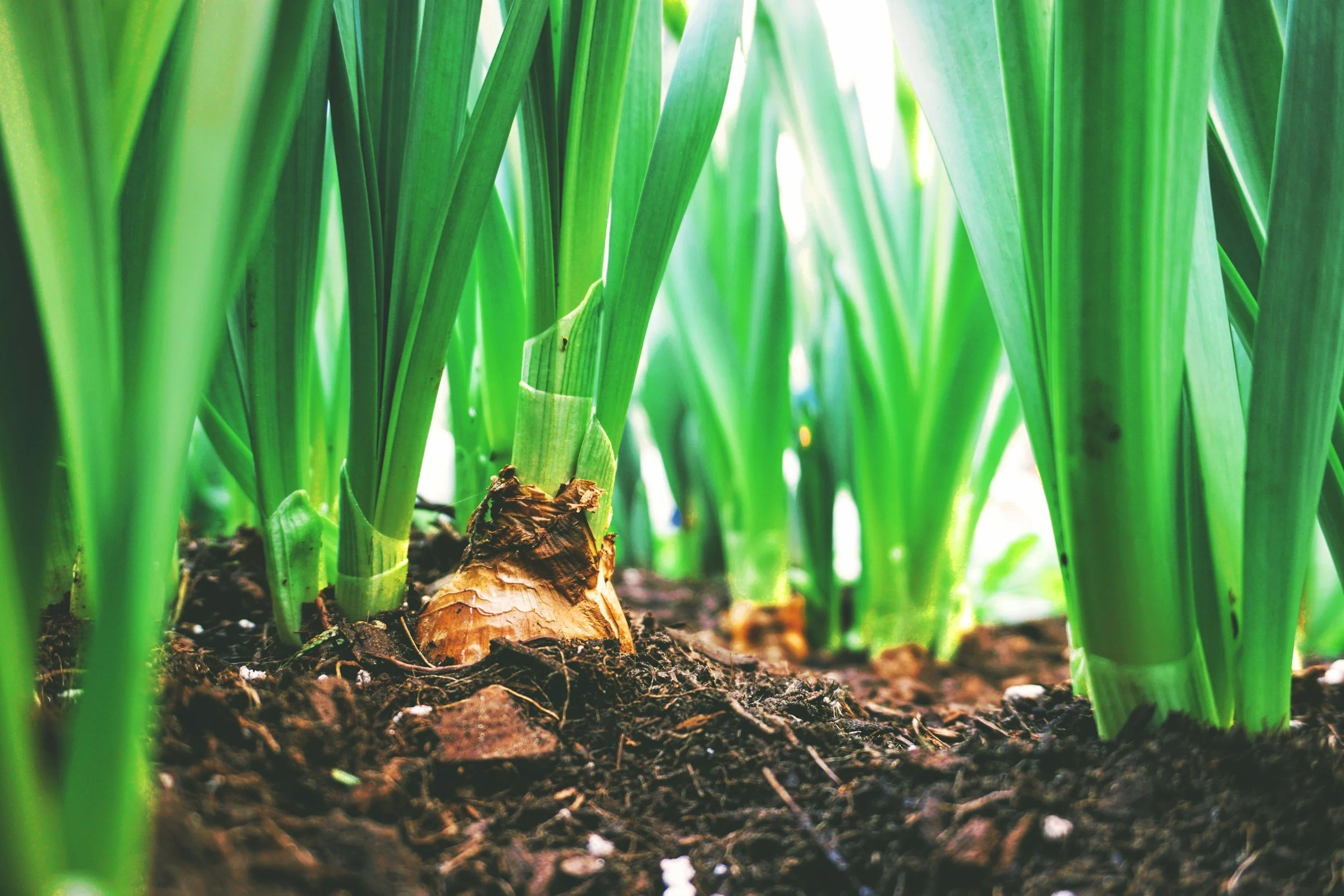
Return to the growing space throughout winter and spring. Look for green shoots emerging and discuss what might be happening beneath the soil.

Extend the learning
Before planting, provide a whole garlic bulb alongside several individual cloves. Encourage children to count the cloves, compare their sizes and explore the papery skin.
Ask the children to predict what will happen when one clove is planted. Will it grow into another single clove, or will it eventually produce a whole bulb?
Plant an additional clove in a clear container where children can observe root development. Keep the container covered or shaded around the root area, uncovering it briefly for observations.
Children can also explore garlic through cooking. Crush a small amount of garlic and invite them to smell it before adding it to homemade bread, soup or a vegetable dish.
This provides opportunities to explore how the same ingredient can smell and taste different when raw and cooked.
Remember: Garlic needs good drainage to prevent rotting during wet weather. In particularly exposed or waterlogged nursery gardens, consider planting in containers or modules and keeping them in a sheltered location.
What to Harvest
Leeks
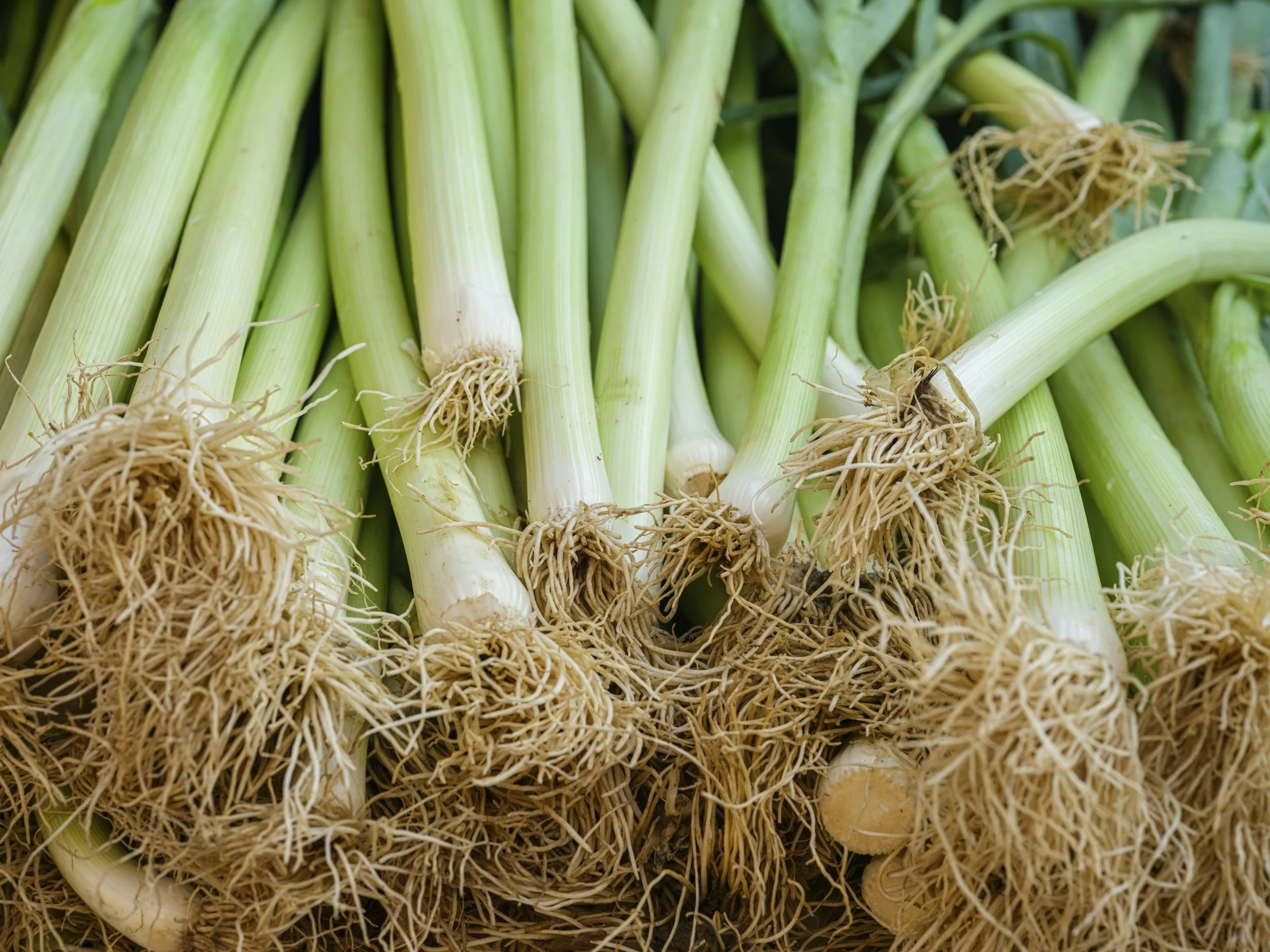
Leeks are a wonderful winter vegetable for nursery gardens. Unlike many summer crops, established leeks can remain in the ground during colder weather, making them ideal for harvesting in November.
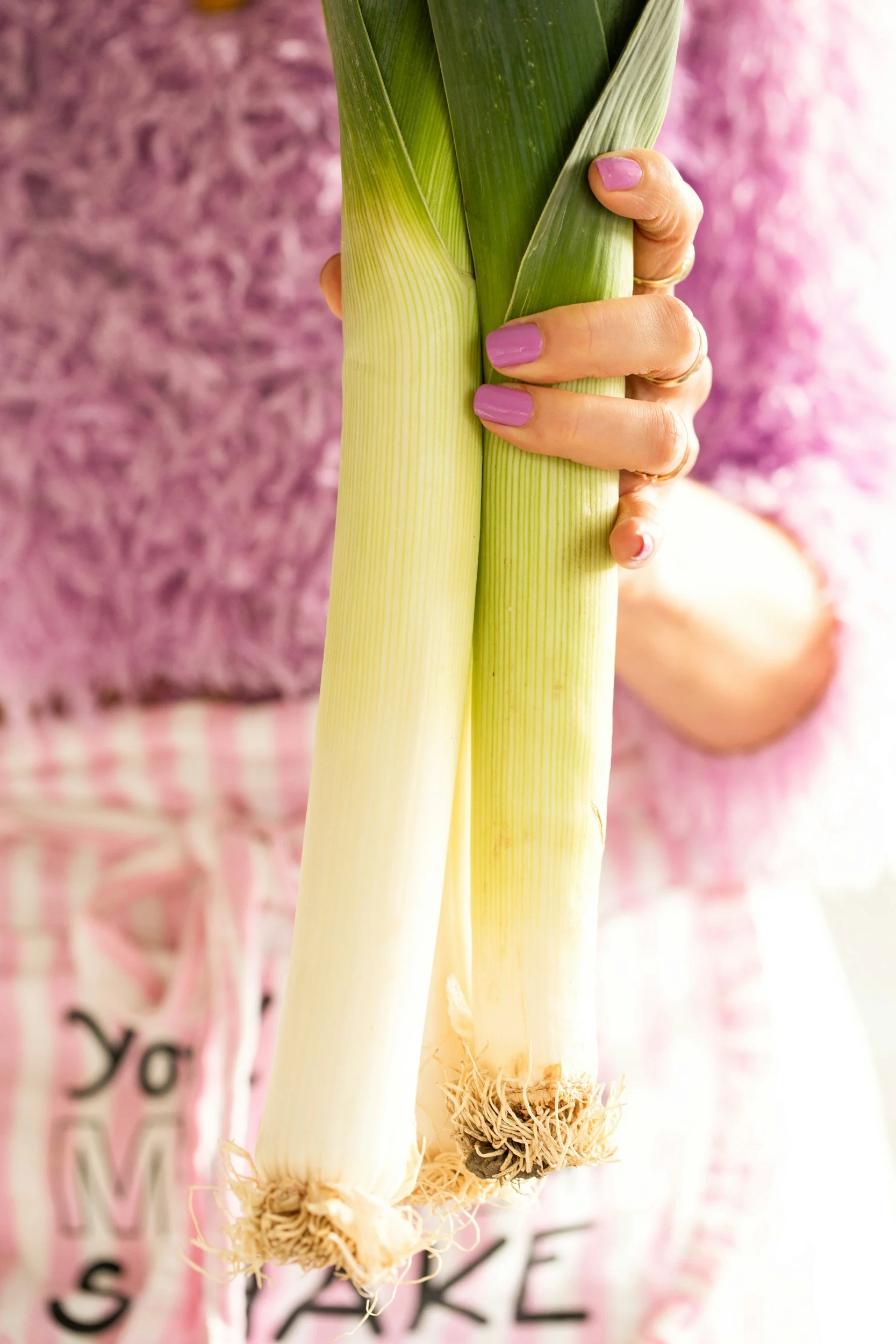
Their long green leaves, thick white stems and distinctive smell provide opportunities for sensory exploration, while harvesting helps children understand that some vegetables grow slowly over many months.
Leeks also provide an excellent opportunity to explore seasonal cooking, particularly homemade soups and warming winter meals.
Where to Find leeks
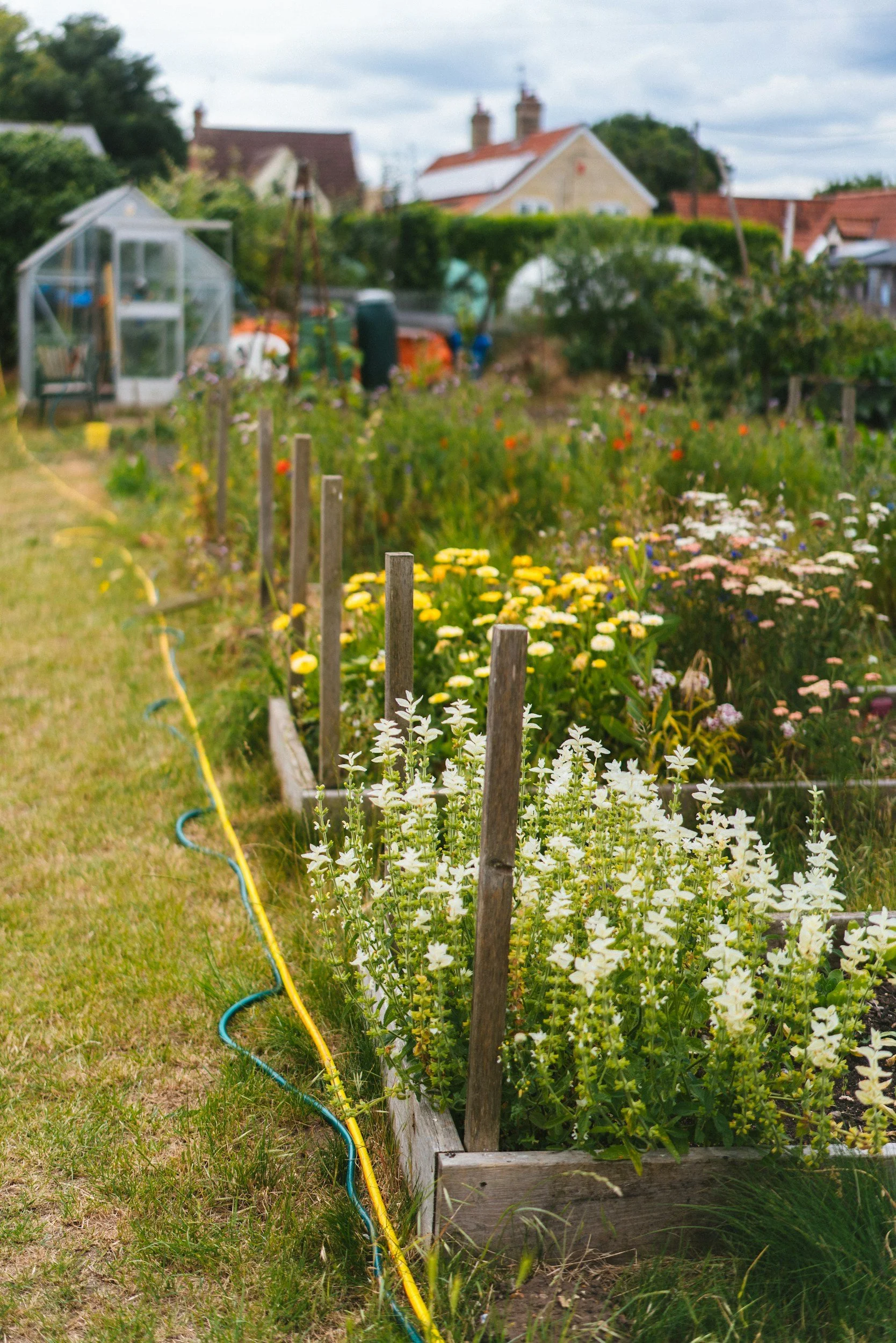
Begin by checking the nursery's vegetable beds for leeks planted earlier in the year. Depending on the variety and growing conditions, these may now be ready for harvesting.
If your nursery has not grown leeks, consider sourcing them from:
Local allotments or community gardens
Nearby farms or market gardens
Families or staff who grow their own vegetables
Local farm shops selling seasonal Scottish produce
Always seek permission before harvesting from community growing spaces or private gardens.
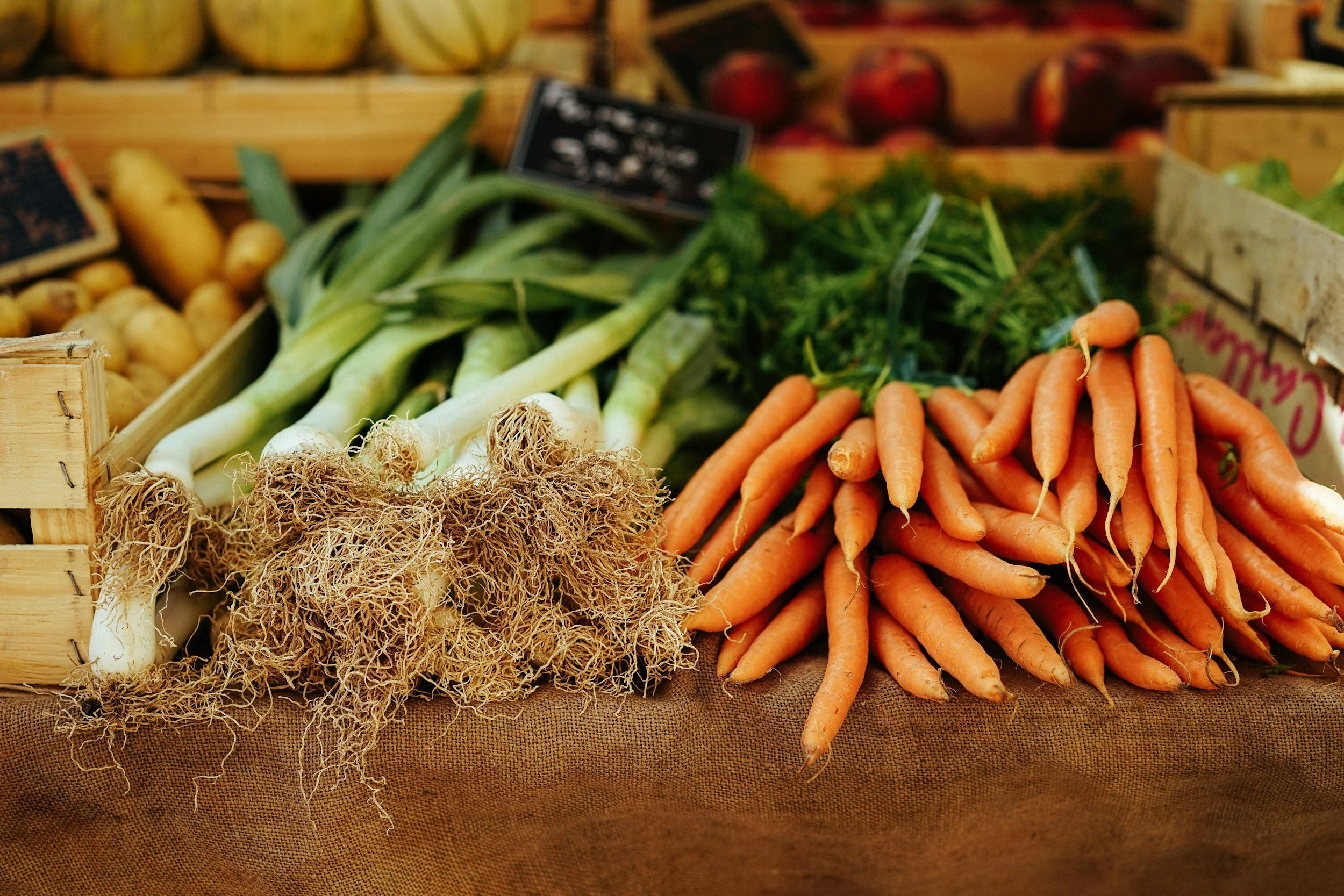
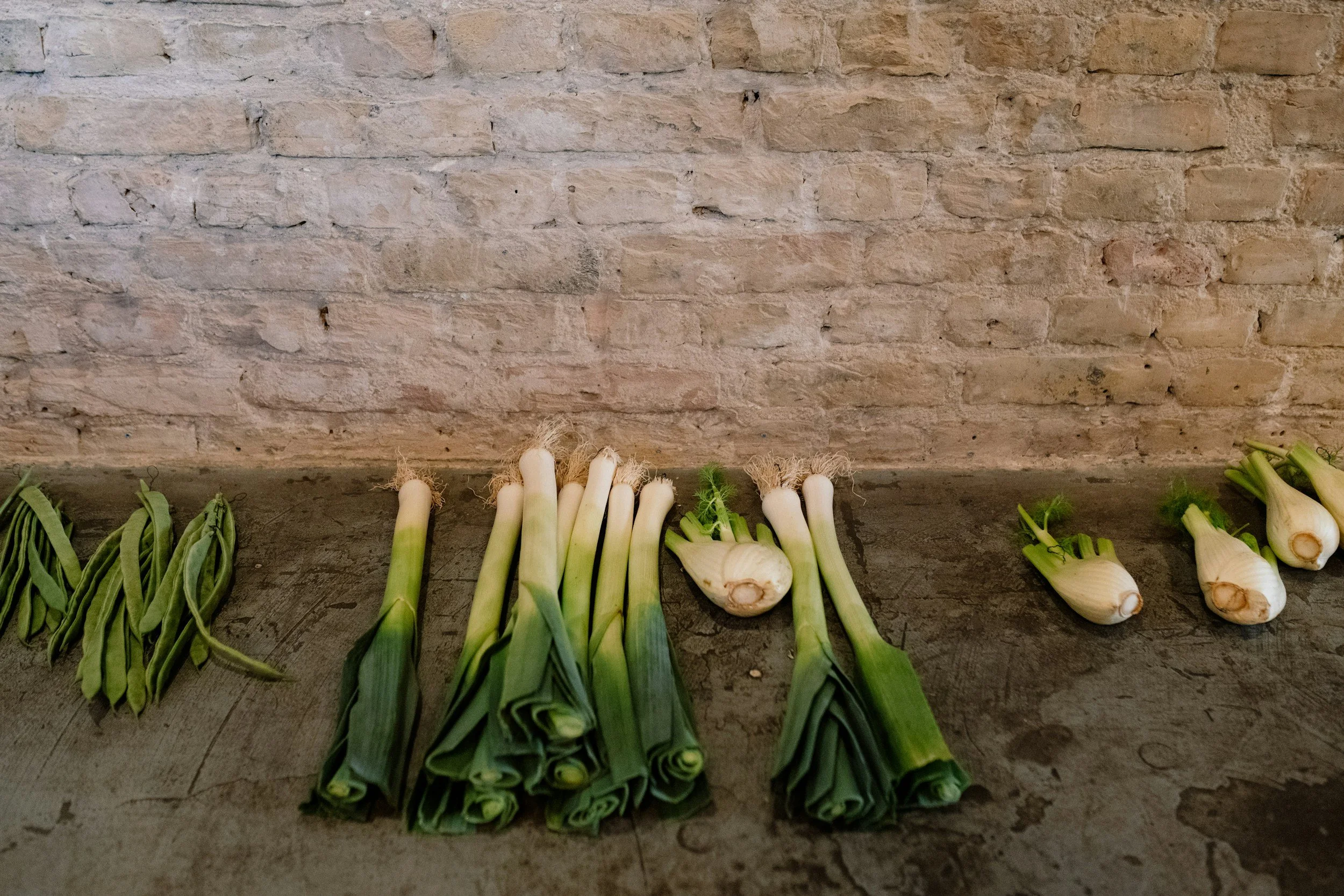
If you do not have access to growing leeks, bring locally grown leeks into the nursery so children can explore their appearance, structure and smell.
How to Harvest Leeks
Look carefully:
Examine the leek plants and identify those with well-developed stems. Encourage children to notice the long, flat leaves and how closely the plants grow together.
Loosen the soil:
Use a garden fork to carefully loosen the soil around the leek. This should be carried out by an adult, with children observing from a safe distance.
Lift gently:
Once the soil has been loosened, children can help hold the leek near its base and gently pull upwards. Notice the roots and soil attached to the bottom.
Explore the roots:
Examine the fine roots and discuss their role in helping the plant take up water and nutrients.
Remove excess soil:
Gently shake or brush away loose soil outdoors. Encourage children to notice how much soil can become trapped between the leaves.
Wash thoroughly:
Take the leeks to a suitable washing area. An adult should trim the roots and any damaged leaves, then split and wash the leeks carefully to remove soil hidden between the layers.
Explore, Taste and Cook
Leeks provide a fantastic opportunity for children to explore vegetables using their senses.
Invite children to examine a whole leek before cutting it open. What colours can they see? How does it smell? Are the leaves smooth, rough, soft or firm?
With adult support, cut a leek lengthways to reveal the tightly packed layers. Children can explore the different shades of green and white, comparing the structure with other vegetables such as onions.
Use the harvested leeks to prepare a simple homemade leek and potato soup.
Children can take part in the process:
Harvest → Wash → Explore → Chop with adult support → Cook → Taste
Encourage children to help wash potatoes, tear suitable pieces of leek, measure ingredients and stir cold ingredients before cooking.
Once the soup has been safely prepared and cooled to a suitable serving temperature, invite children to taste it.
Discuss how the leek changes during cooking. Does it become softer? Does the smell change? Can children recognise the leek in the finished soup?
Use Leek Scraps to Explore Regrowth
Save the root end of a healthy leek, leaving approximately 3–5cm of the white stem attached.
Place the root end into a shallow container with a small amount of clean water, ensuring the roots are submerged but the upper stem remains above the water.
Position it in a bright indoor space and change the water regularly.
Over the following days, children may begin to notice fresh green growth emerging from the centre.
Encourage children to measure the new shoots, draw what they observe and compare their leek with the original plant.
This provides a simple opportunity to explore regrowth and discuss how some plants can continue growing from parts that might otherwise be discarded.
The regrown shoots are best used for observation rather than eating in a nursery setting.

Practitioner Reminder
Complete your usual risk assessment before planting, harvesting, cooking or using gardening tools. Check allergies and dietary requirements, supervise children closely and ensure all harvested produce is correctly identified, thoroughly washed and prepared safely.
Consider the additional risks associated with cold, wet or slippery conditions during November, and ensure children have suitable clothing and opportunities to warm up.
Gardening experiences should remain enjoyable and child-led, with opportunities for children to participate at their own pace. Even during the coldest months, the nursery garden can provide meaningful opportunities for curiosity, discovery and connection with the natural world.