Taking Care of our Spaces
House Keeping for the land section
November.
November brings colder temperatures, darker days, increased rainfall and stronger winds, making it an important time to care for our outdoor spaces and prepare them for winter. This month’s resource explores practical ways to look after the land, maintain outdoor environments and support local wildlife, while keeping spaces safe, welcoming and inspiring for children.
Within this resource, you will find ideas for caring for wildlife, including supporting garden birds, making use of windfall apples and knowing when hedgehogs may need help. We also explore caring for the ground by managing fallen leaves, mulching soil, removing litter and protecting plants, trees and containers from colder, wetter weather. Alongside these seasonal maintenance tasks, you will discover simple sustainability activities, such as making windsocks and rain gauges from repurposed materials, observing and recording the weather, and safely disposing of leftover pumpkins.
November is a wonderful opportunity to involve children in meaningful, purposeful roles within their outdoor environment. Whether they are feeding birds, checking the rain gauge, litter picking or helping care for plants, these everyday responsibilities nurture curiosity, develop practical skills and encourage respect for the natural world. These approaches reflect the principles of Scotland’s Out to Play guidance, supporting practitioners to create safe, nurturing and engaging outdoor experiences where children can develop a sense of belonging, responsibility and connection to nature throughout the changing seasons
Use any damaged windfall apples for additional food sources for thrushes and tits. Move from underneath apple tree and put in another area of garden.
Invest in a wildlife camera if funds allow, this provides an opportunity for children to engage in purposeful technology and find out who is possibly visiting your garden space.
Disease risk is low for feeding the birds from November through to April, so now is a good time to stock up clean bird feeders with sunflower seeds and hearts, niger seeds, mealworms and suet/ fat balls. Avoid using peanuts in nursery or school gardens in case of allergies.
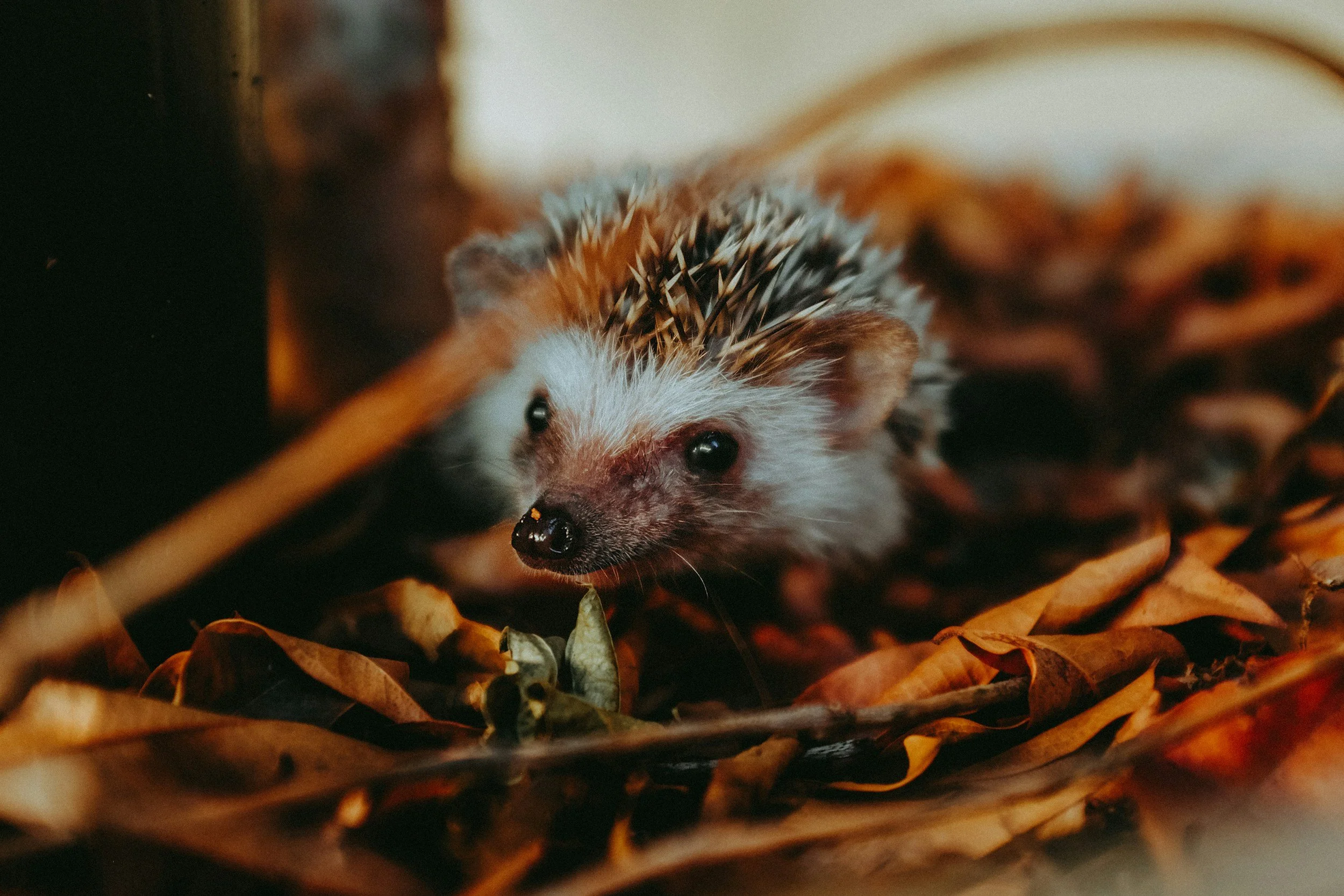
Keep an eye out for young orphaned hedgehogs out in daytime, as they will be too small to hibernate and may need help. Contact the SSPCA on 03000 999 999 and keep a box over the hedgehog until help arrives, or The British Hedgehog Preservation Society (BHPS) on 01584 890 801. You may also have access to local wildlife rescue centres or local vets that can help and advice.
If you have any clay or terracotta containers within your garden space, raise them off the ground using pot feet or bricks, this helps protect the pots from cracking in cold conditions and allows excess water to drain properly to prevent root rot through damp colder months.
Continue to rake leaves and use as mulch for ground layer on soil.
If you have any young trees, now is a good time to check in case they need extra support as the weather becomes more turbulent. You can fix a stake in the ground, positioning so not to damage the tree and secure loosely .
Prepare for windy weather, by packing away anything that isn’t being used and secure anything that could risk blowing away or become damaged with strong gusts. If you have been using tarps in your outdoor spaces as shelters, ensure these are taken down daily and packed away.

Continue to remove weeds from soil beds, rake the ground and when the ground is wet after a downpour, cover with a ground layer of mulch.
Continue with regular litter picking opportunities, children love to use a litter picker and it’s a great way to incorporate taking care of our land with some fine motor and hand eye coordination development.
If you have ground that tend to get boggy during wetter months, now is the time to prep by covering the ground in sustainably sourced woodchip.
Make windsocks and rain gauges to notice, monitor and record the weather. This can be checked each day and allows children the opportunity to connect with nature, upcycle items and develop an understanding of how weather impacts the land.
Assign garden job roles and responsibilities for children, such as feeding birds, checking rain gauge, litter pick, to feel a sense of trust and purpose as they develop into responsible citizens.
Ensure safe disposal of any pumpkins left over from seasonal activities. Pumpkins are not a safe food source for hedgehogs so need to be removed from the ground. You could try using smaller pumpkins as bird feeders high up in trees branches.