
Sessional Cooking in October
Preserving the Harvest: Quick Cucumber Pickles
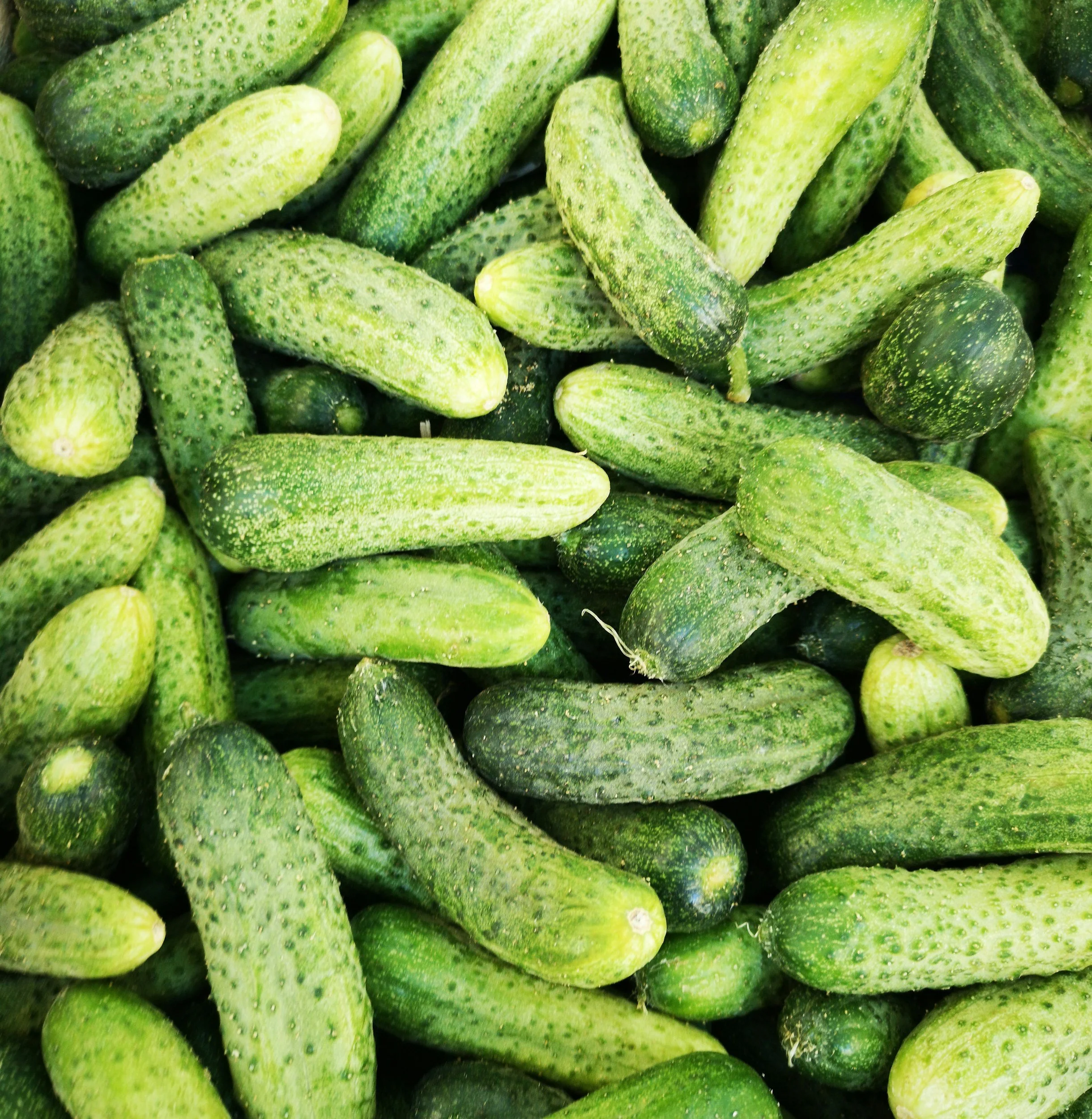
Turn the last of the cucumber harvest into a colourful, hands-on learning experience. This simple pickling activity invites children to measure, mix, smell and taste while exploring the fascinating science of food preservation. As the vinegar and salt transform fresh cucumbers into crisp, tangy pickles, children can investigate change, make predictions and compare different combinations of herbs and spices.
Perfect for early years settings and primary classrooms, the activity creates meaningful links across health and wellbeing, science, numeracy and social studies. It also opens conversations about seasonality, reducing food waste and how people preserved their harvests before refrigerators existed all through an affordable activity that practitioners can deliver with confidence.
Quick and Seasonal Cucumber Pickles
These simple refrigerator pickles are a lovely way to introduce children to preserving food, experimenting with flavour and using the last of the seasonal cucumber harvest. No previous cooking experience is needed.
Choose your flavours
You do not need to use every spice. Offer a small selection for the children to smell and choose from:
Mustard seeds, Coriander seeds, Black peppercorns, Fennel seeds, Cumin seeds, Bay leaves (torn into small pieces), Dried chillies Dried dill, oregano or thyme, Fresh dill,
Strips of lemon zest
All of these can be found in the spice aisle at your local supermarket. You could pair this recipe with a trip to your local supermarket.
Equipment
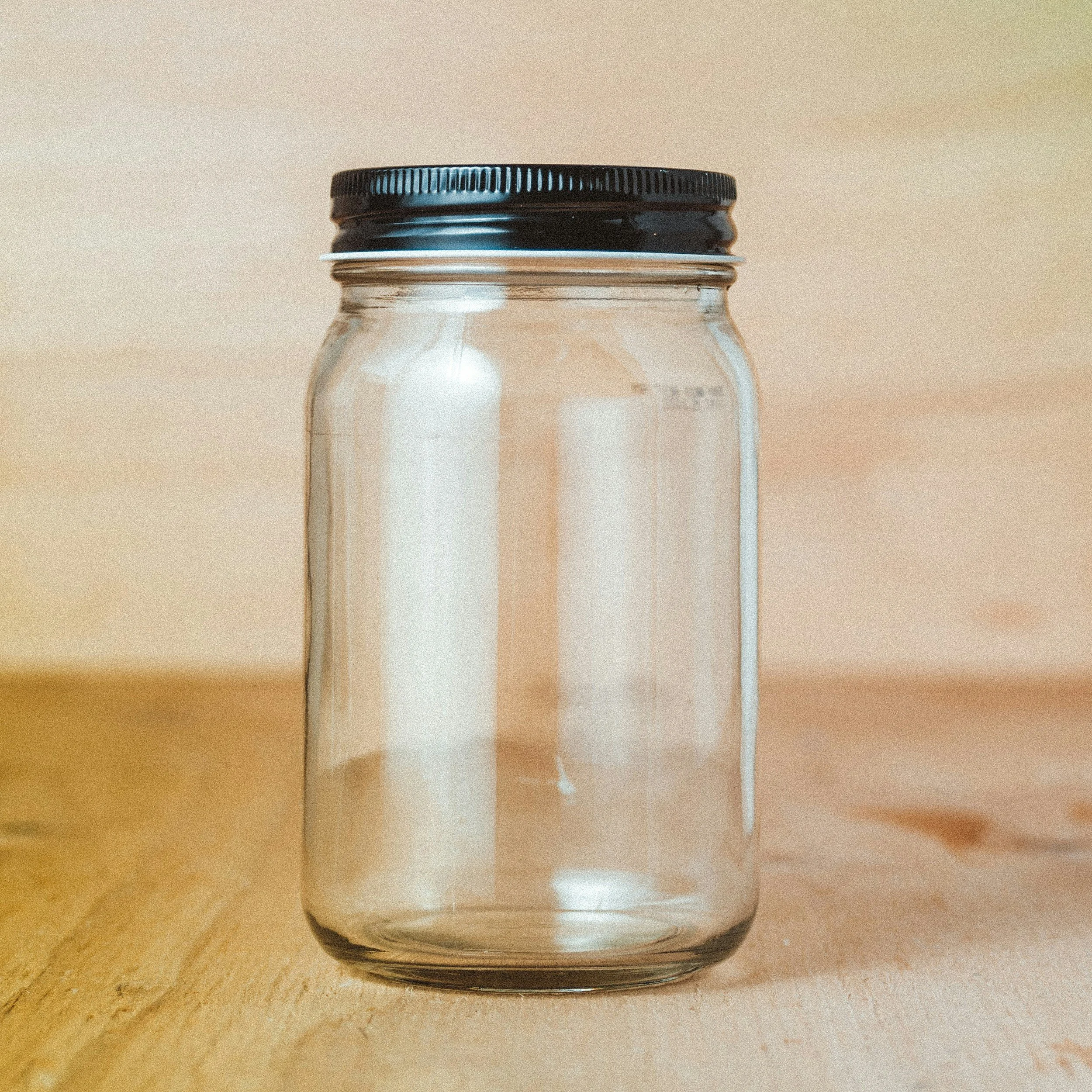
Clean 250ml jars with secure lids
Chopping board and knife
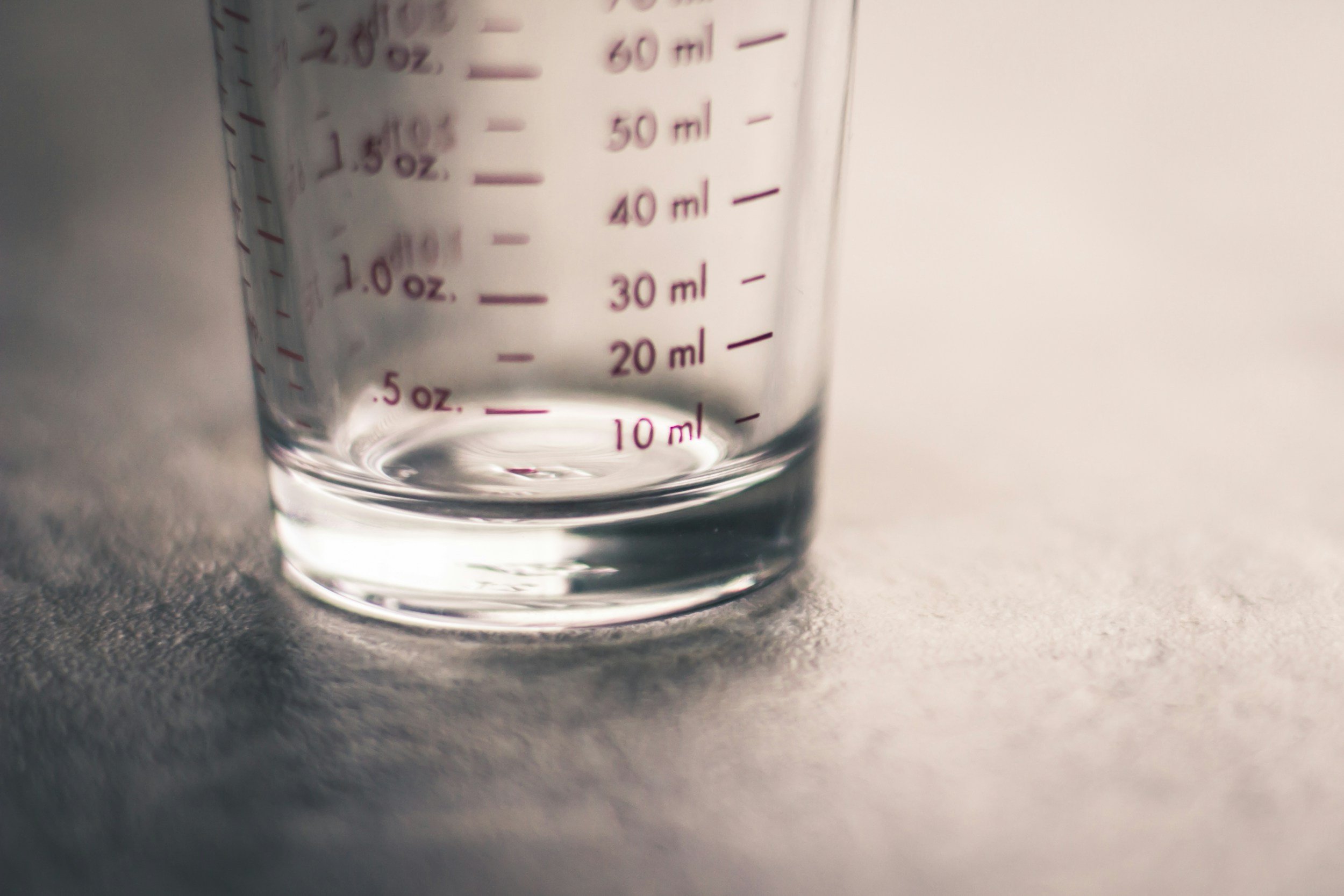
Measuring jug
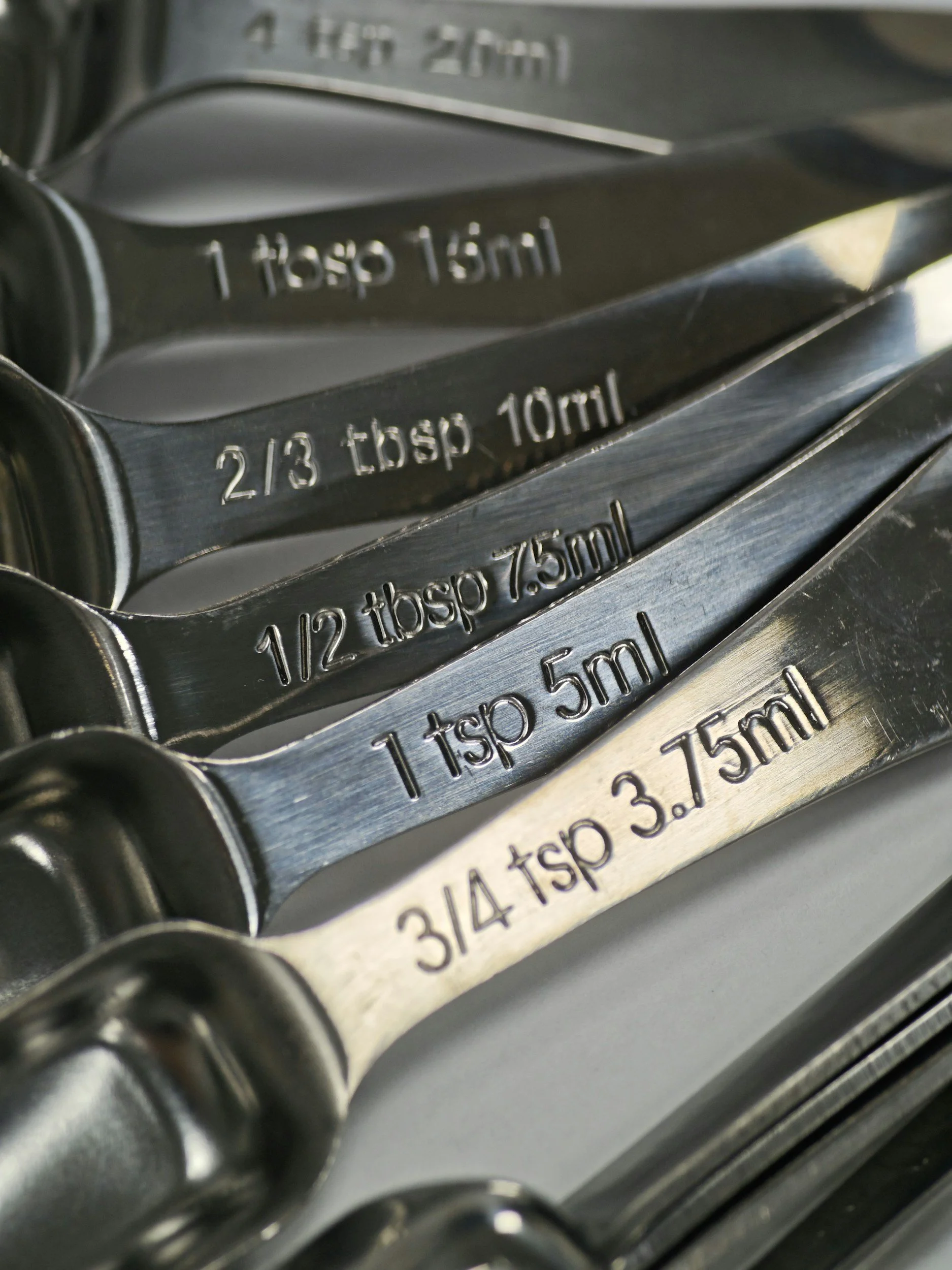
Measuring spoons
Mixing spoon
Small saucepan, if heating the brine
Labels and pens
For the cucumbers
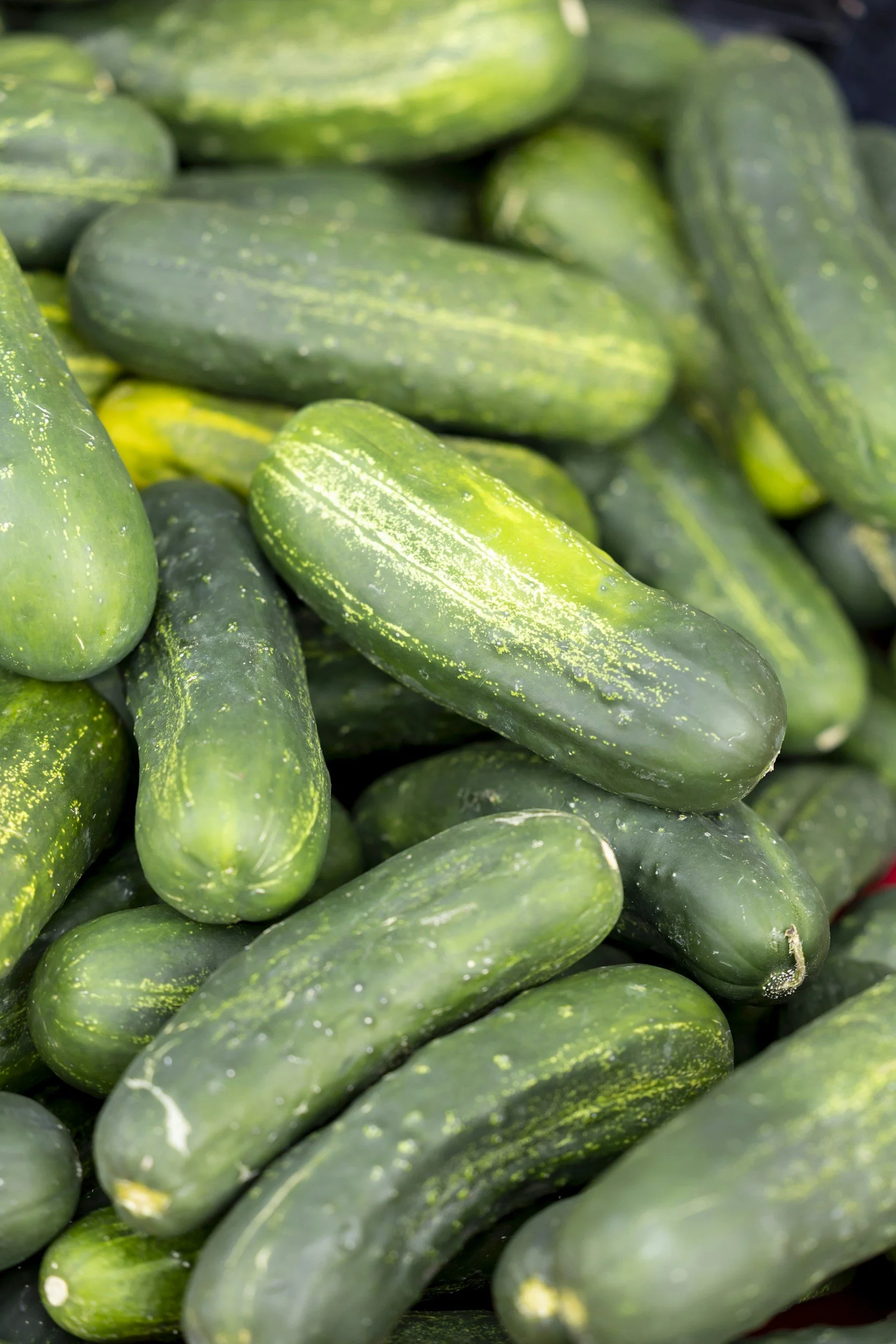
Small snacking cucumbers—allow approximately 4–5 per 250ml jar.
For the brine
250ml white wine vinegar or apple cider vinegar
500ml water
2½ tablespoons salt
3 tablespoons sugar
Before you Begin
Wash your hands, clean the work surface and thoroughly wash the cucumbers. Wash the jars and lids in hot, soapy water, rinse well and leave them to air-dry, or clean them on a hot dishwasher cycle. Check that each jar is clean, undamaged and completely cool before use. An adult should prepare the cucumber pieces and handle any hot brine.
These quick pickles must be refrigerated and eaten within five days.
Method
Slice the cucumbers into rounds or short sticks that will fit easily inside the jars.
Pour the vinegar and water into a measuring jug. Add the salt and sugar, then stir until mostly dissolved.
The brine can be used cold. Alternatively, an adult can gently warm it in a saucepan to dissolve the salt and sugar and release more flavour from the herbs and spices. Allow it to cool before children use it.
Invite each child or small group to choose a combination of herbs and spices. Add a small pinch of each chosen flavour to the bottom of the jar. Use dried chilli sparingly.
Pack the cucumber pieces firmly into the jar, leaving a small space at the top.
Pour in enough brine to cover the cucumbers completely. Secure the lid and gently turn the jar to distribute the flavours.
Label each jar with its name, ingredients and the date it was made.
Place the jars in the refrigerator overnight. Taste the pickles the following day and keep them refrigerated at all times. Use within five days.
Explore the flavours
Give each recipe a name, such as Herby Harvest, Zesty Dill or Spicy Cucumber Crunch. Compare the smell, flavour and texture of fresh and pickled cucumber, and discuss how people preserved seasonal food before refrigerators were available.
Important: These are quick refrigerator pickles, not long-life preserves. They must not be stored in a cupboard or at room temperature.
© 2026 Prairie and Pine. All rights reserved.
This resource is for the personal or internal professional use of the purchasing member or setting only. It may be printed and shared with colleagues working within the same registered setting but must not be copied, distributed, uploaded, adapted, resold or shared with another organisation without prior written permission from Prairie and Pine.